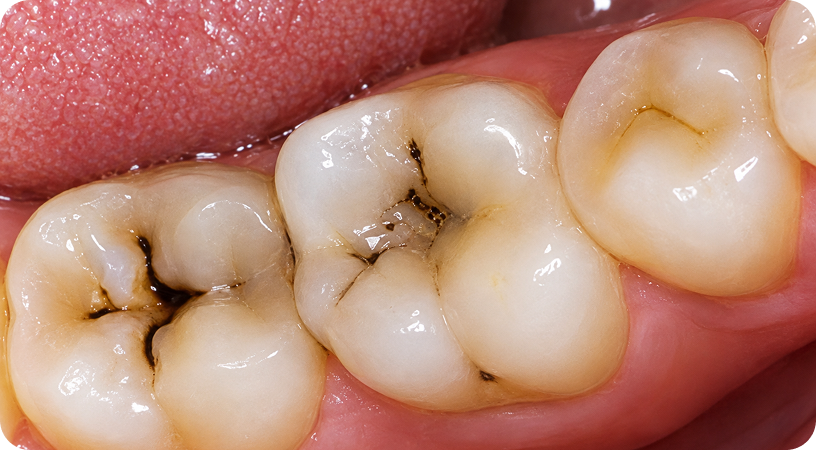
Occlusal Surface
Cavities that start in the deep grooves
of the chewing surface of molars.


Cavities that start in the deep grooves
of the chewing surface of molars.
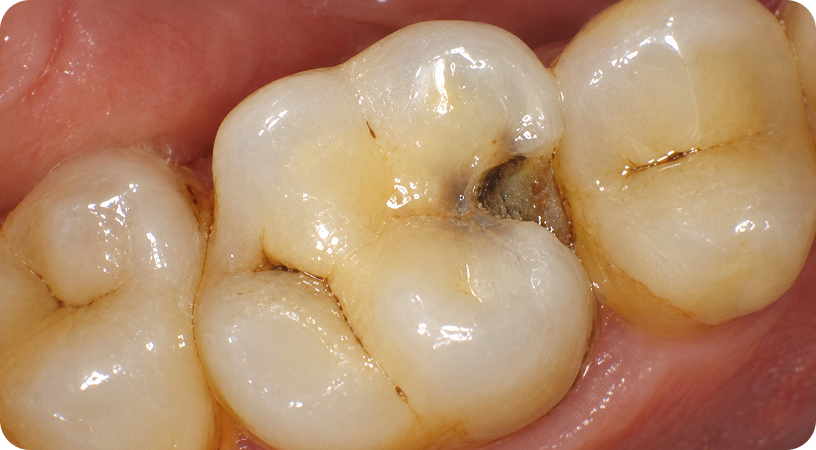
Cavities that form between teeth,
making them difficult to see with the naked eye.
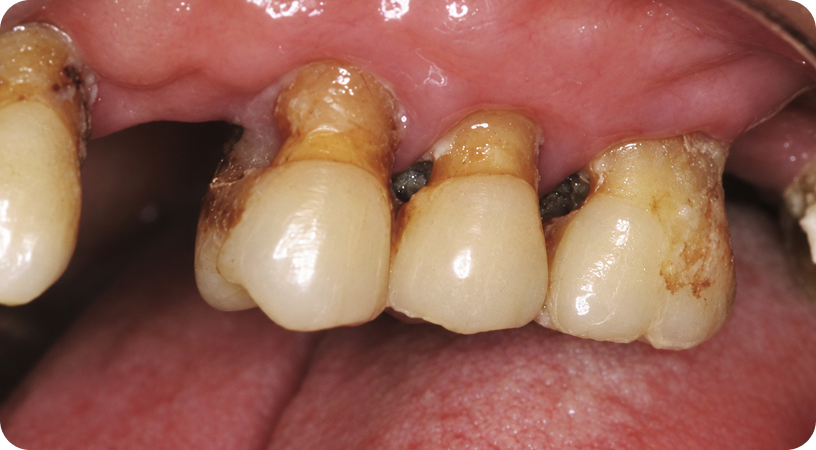
Cavities that develop on exposed tooth roots
due to receding gums.
We design for long-term, healthy use.

Even for the same cavity, the appropriate restoration method varies depending on its location, depth, biting force, and the tooth structure remaining after treatment.
Seoul Yido Dental Clinic identifies the necessary scope of treatment and then considers resin, inlay, resin buildup, and crown restorations step-by-step.
Select an item to view the scope and application criteria for each treatment.
Resin is considered when the cavity is relatively small and there is sufficient remaining tooth structure.
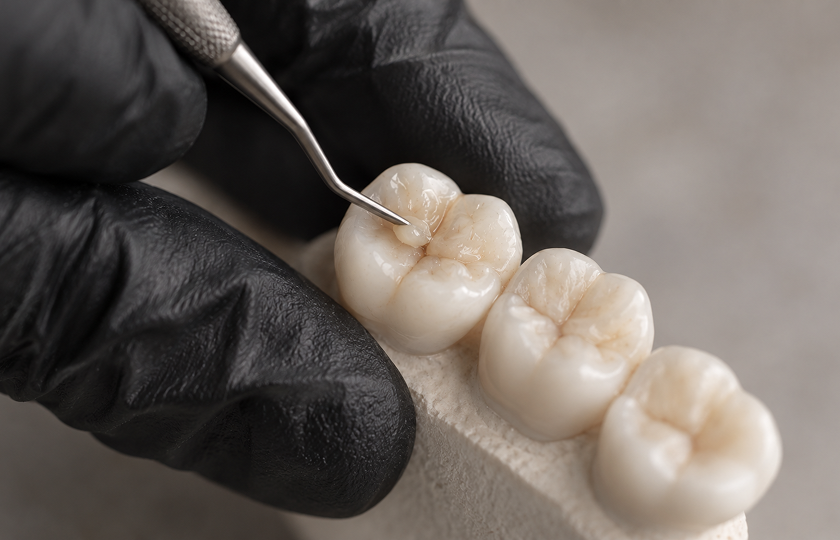
After removing small cavities, we meticulously restore them with flowable resin.
When cavities occur between teeth
Or when the scope is wide and requires a high-strength restoration.

This is a same-day, premium treatment where only the minimally damaged part of the tooth is removed due to decay,
and the tooth structure is meticulously built up layer by layer with high-strength composite resin.

If there is little remaining tooth structure after cavity removal,
or if a partial restoration is insufficient considering the biting force, a crown may be considered.
Although it involves more tooth reduction, it offers the highest strength and cavity prevention effect.
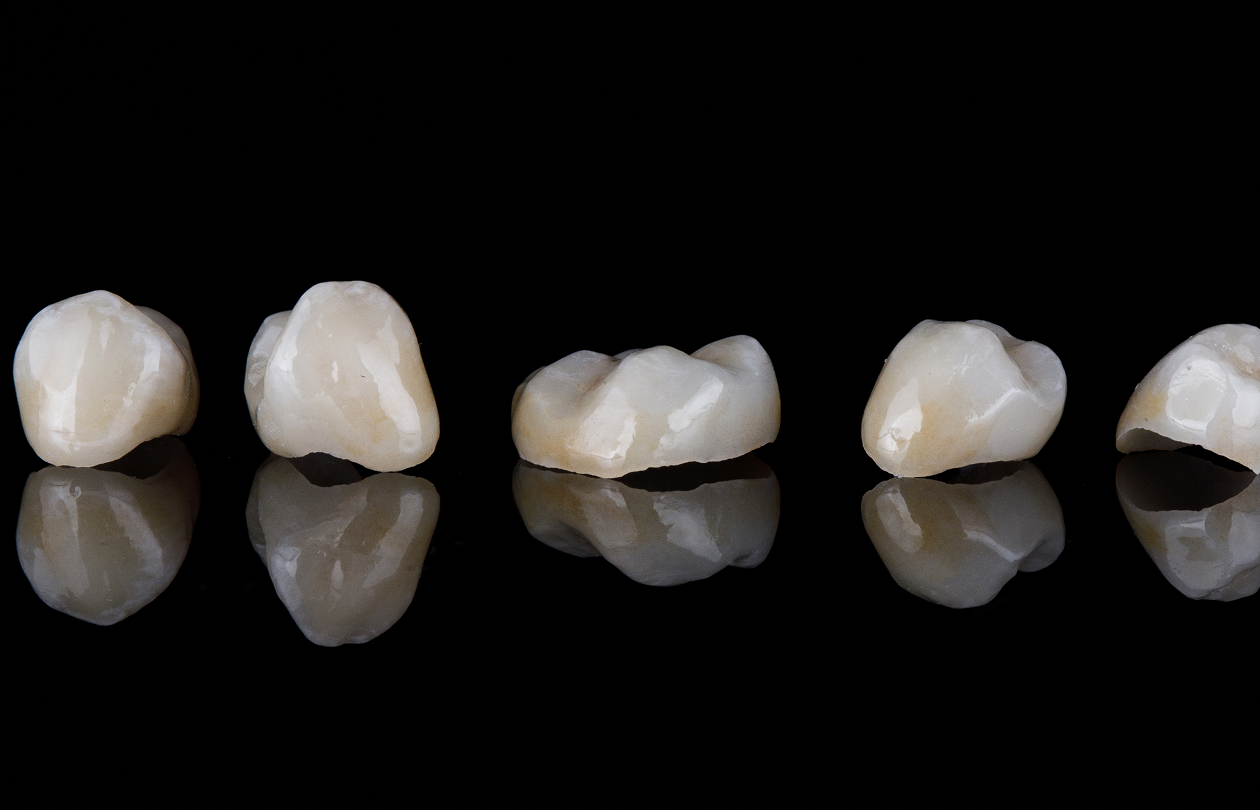
We treat the damaged parts,
and preserve healthy teeth as much as possible.
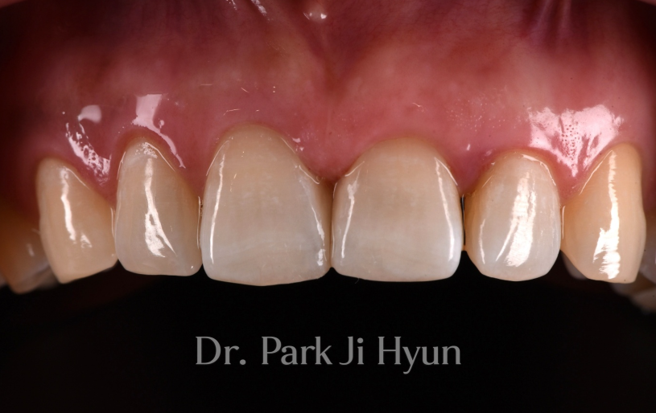
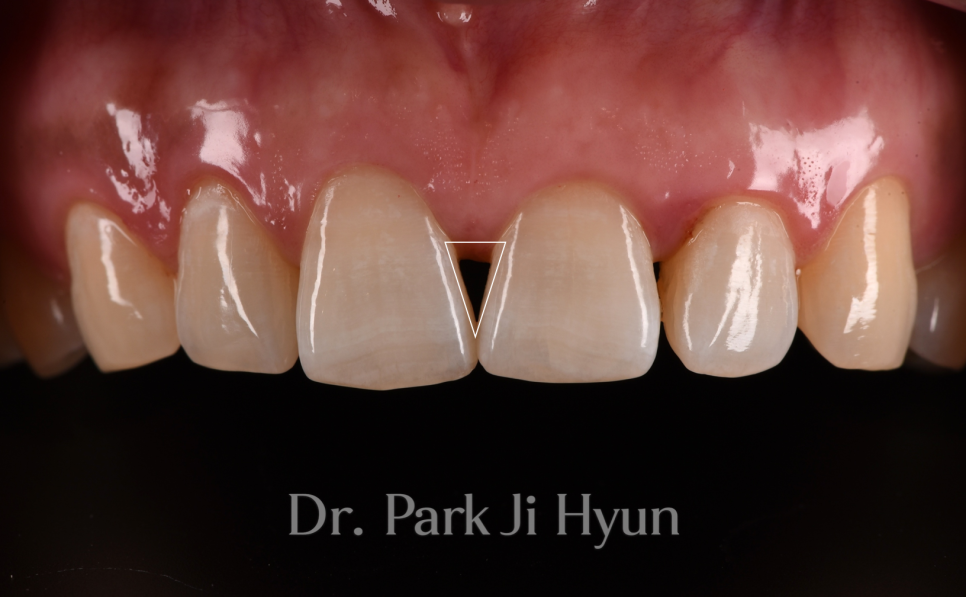
Can the black triangles between front teeth be filled with resin at Mapo-gu Dental Clinic? Resin Buildup
※ All treatment results may vary depending on the patient's oral and systemic health, and the decision to treat is made after thorough diagnosis and consultation.
Treatment is determined by the depth, location, and progression of the cavity. Early-stage cavities may be observed, but deeper or symptomatic cavities require treatment.
Resin involves directly filling the tooth with material, while an inlay involves bonding a custom-made restoration to the tooth. The choice depends on the extent of the cavity and the condition of the remaining tooth structure.
The remaining tooth may weaken, so a crown is often considered, especially for molars that bear significant chewing forces. The decision depends on the tooth's position and the remaining tooth structure.
Crowns are not replaced simply due to age. The decision is made after checking for pain, fracture, decay under the crown, and bite issues.
Search anything
Ex: Implants, swollen gums, teeth whitening