CONSCIOUS SEDATION IMPLANT

For comfortable treatment,
It starts with understanding the patient.

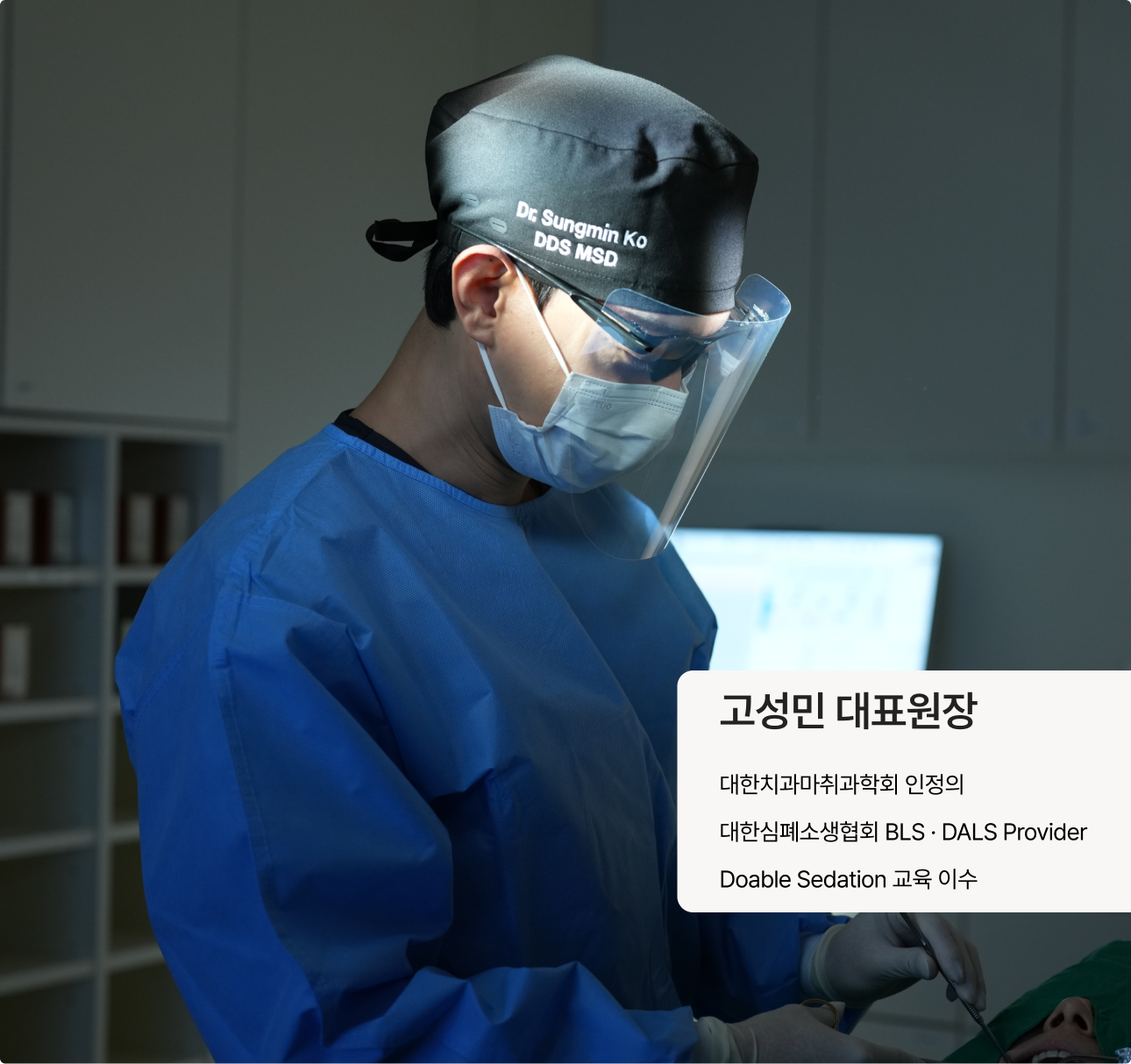
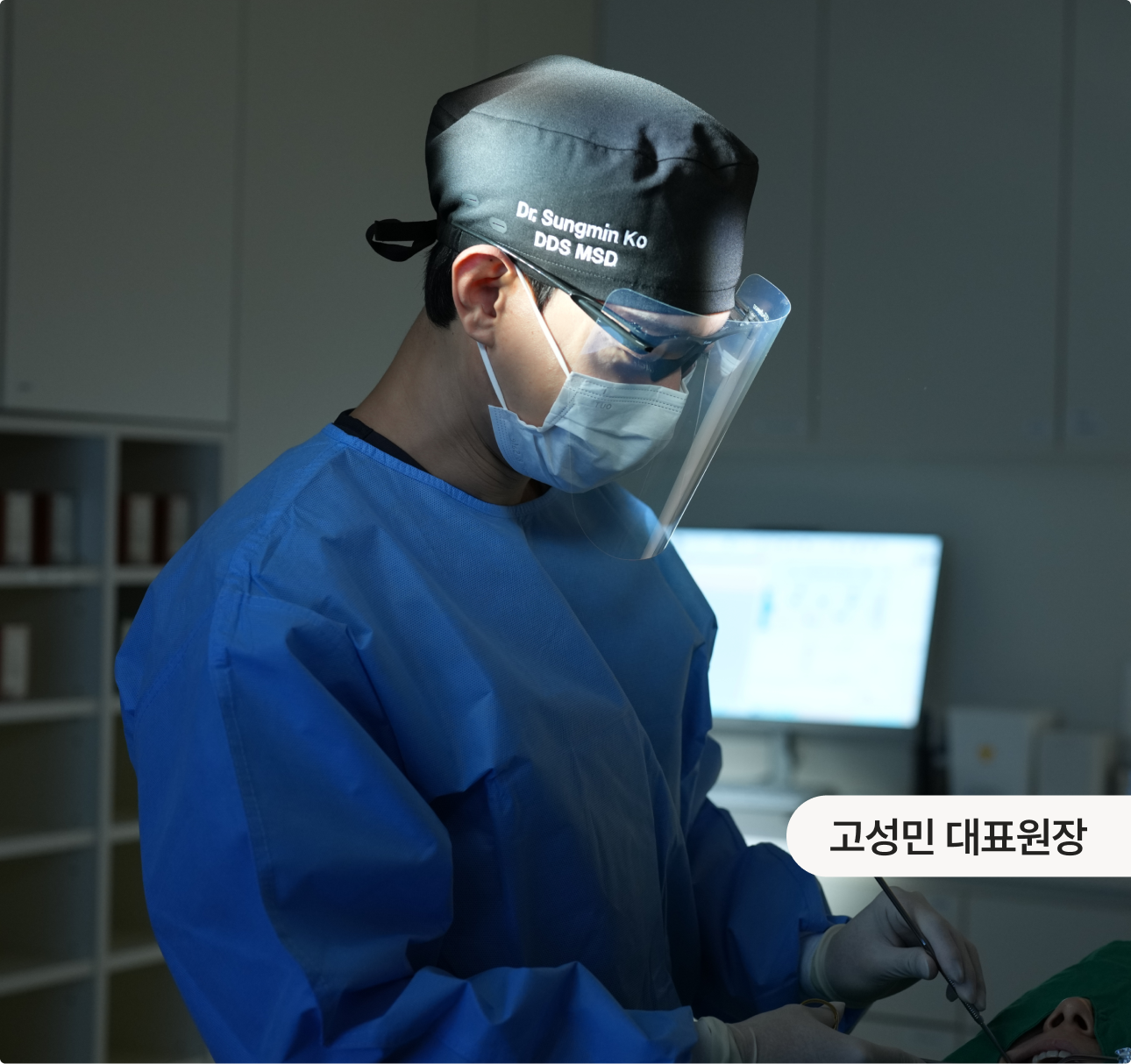
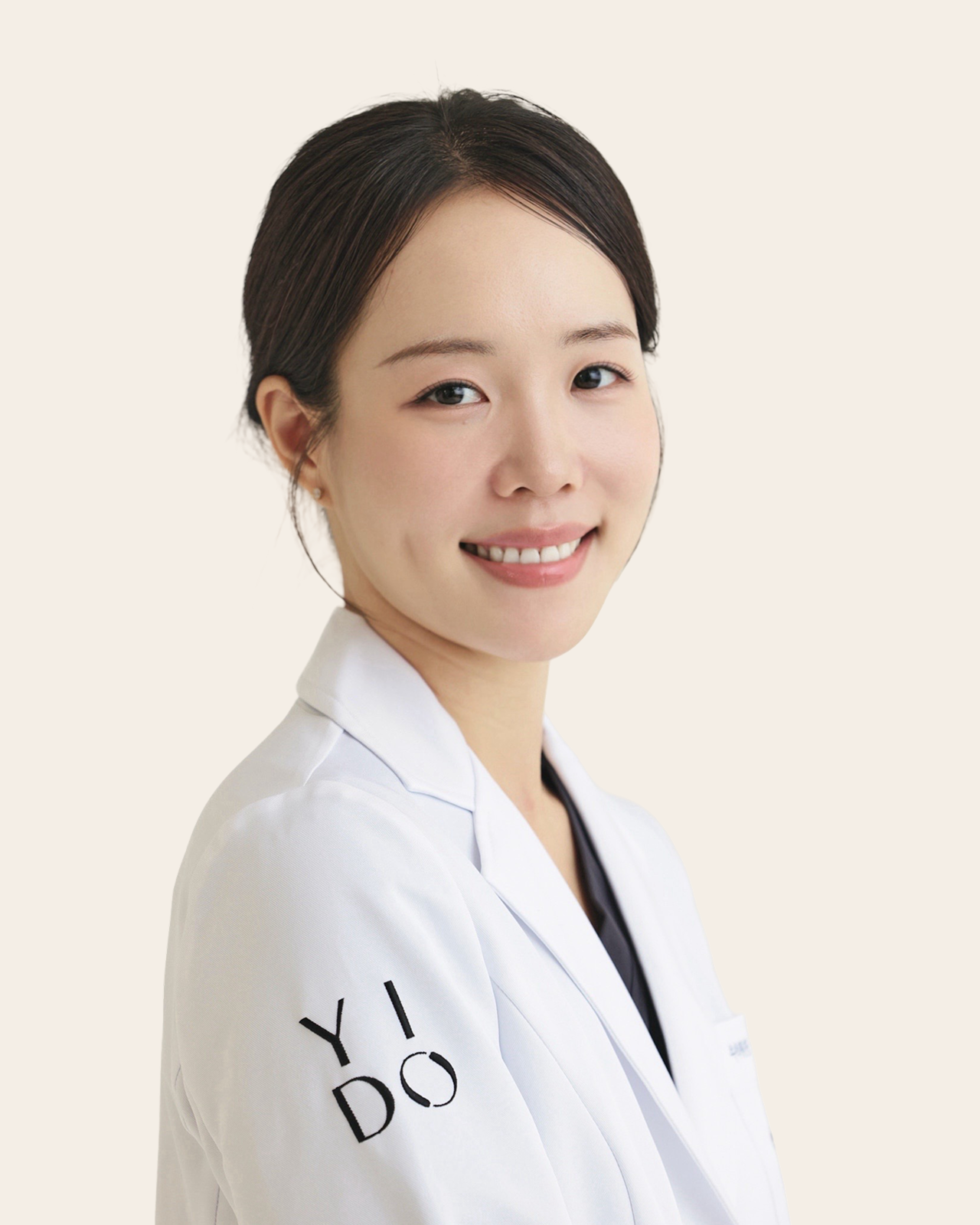
Dr. Sungmin Ko, Chief Director Dr. Sungmin Ko, Chief Director

Careful decision-making,
and meticulous attention to recovery.

  • 01

    Certified Anesthesiologist, Korean Dental Anesthesiology Society

    As a certified anesthesiologist by the Korean Dental Anesthesiology Society, we meticulously examine the patient's health condition and treatment scope,
    and carefully determine the suitability and application method of sedation treatment.

  • 02

    Preparation for emergencies

    Based on BLS and DALS Provider training from the Korean Association of Cardiopulmonary Resuscitation,
    we carefully monitor for any changes in condition that may occur during treatment and prepare for emergencies.

  • 03

    Sedation adjustment tailored to patient response

    During treatment, we continuously monitor the patient's responses and vital signs, adjusting to maintain the planned level of sedation.
    After treatment, we confirm the recovery status before guiding the patient home.

From pre-treatment check to recovery,
we meticulously monitor the patient's condition.

  • 01

    Sedation tailored to your health condition

    We determine the level of sedation based on your health condition and treatment scope, and adjust it while monitoring your response during treatment.

  • 02

    Surgical site pain management through local anesthesia

    In addition to conscious sedation, local anesthesia is administered to the surgical site, and discomfort during the anesthesia process is also monitored.

  • 03

    Determining treatment eligibility considering chronic diseases and medications

    We check for existing diseases and medications, and if necessary, consult with your medical team to decide on treatment.

  • 04

    Discharge guidance after confirming recovery status

    After sufficient rest in the recovery room, we confirm the patient's recovery status and provide guidance on discharge and precautions.

Is this the right sedation treatment for me?
We first carefully assess.

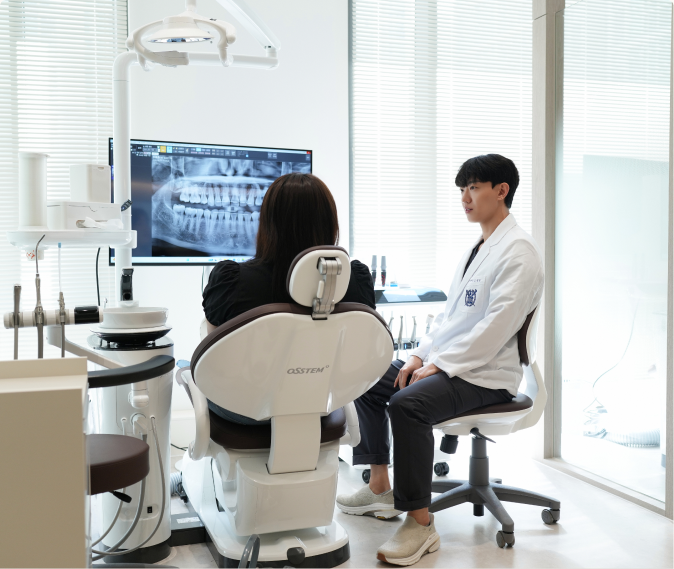
Seoul Yido Dental Clinic assesses fear of treatment, health status, and surgical scope to determine if conscious sedation is appropriate and to decide on the procedure.

Systemic diseases and
health status

We check for existing conditions such as hypertension, diabetes, cardiovascular, and respiratory diseases,
We assess existing diseases and overall health status.

Medications and
allergies

We check for medications such as anticoagulants and blood pressure medication, as well as allergies,
and incorporate them into the treatment plan.

Previous anesthesia experience

We listen to any adverse reactions or discomfort experienced during past anesthesia or sedation treatment,
and identify points to be cautious about.

Surgical scope and
estimated time

We consider the number of implants, whether bone grafting is needed, and the estimated time,
to create a sedation plan suitable for the surgery.

To one person's skill,
we add the preparation of all medical staff.

All medical staff at Seoul Yido Dental Clinic have completed Basic Life Support (BLS) training, and Dr. Ko Seong-min, the chief director, holds certification from the Korean Dental Anesthesiology Society and has completed BLS and DALS Provider training.
From patient status assessment to observation during treatment, preparation of oxygen supply equipment and emergency medications, and confirmation of recovery, preparedness for emergencies is fundamental to our practice.

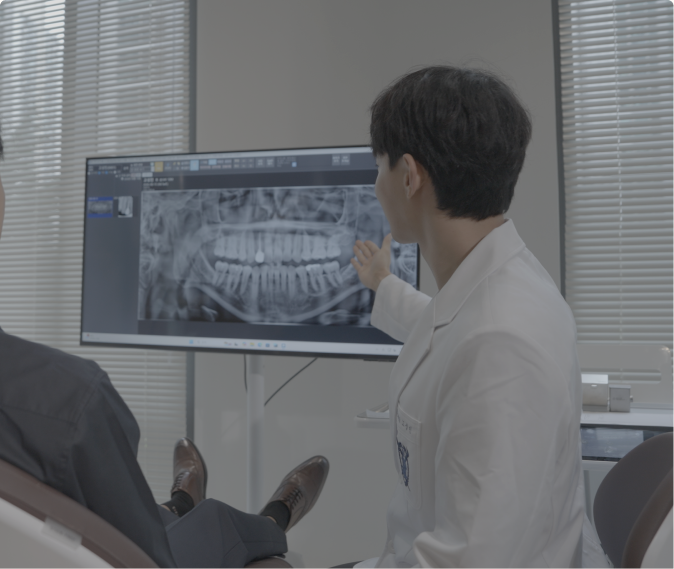
Sedation plan consultation tailored to the patient's condition

All Medical Staff BLS Trained

Our staff are proficient in basic life support necessary for emergencies, establishing a common foundation for initial response.

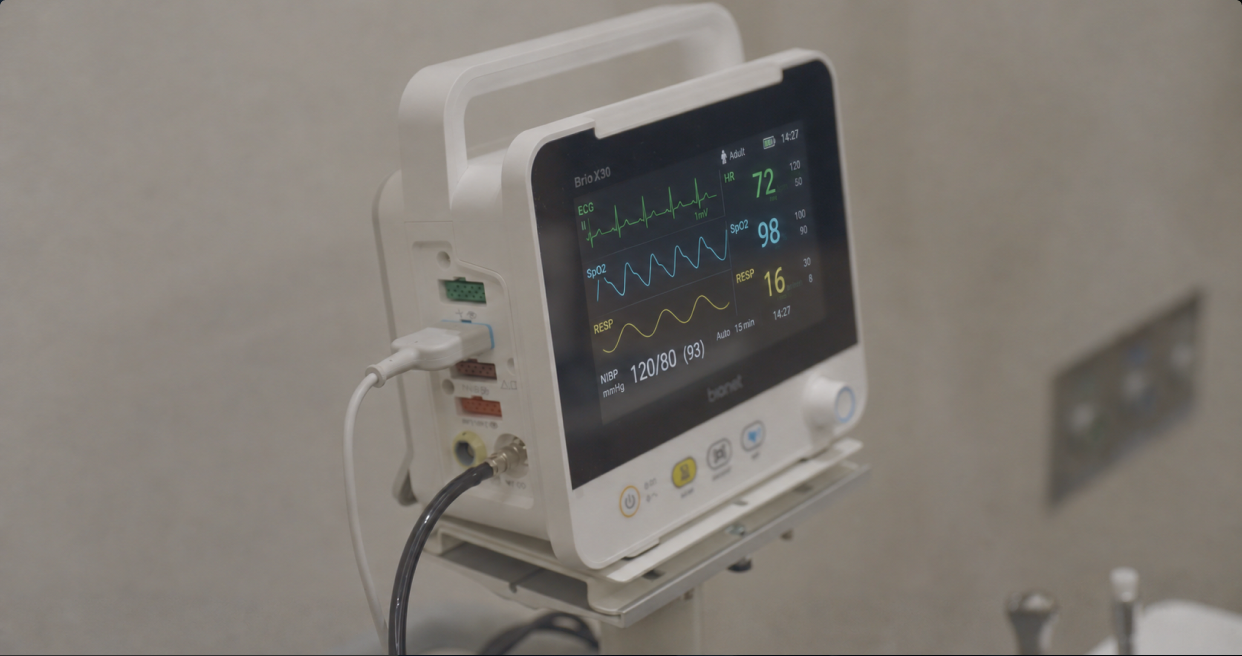
Monitoring patient vital signs during treatment

Continuous Monitoring During Treatment

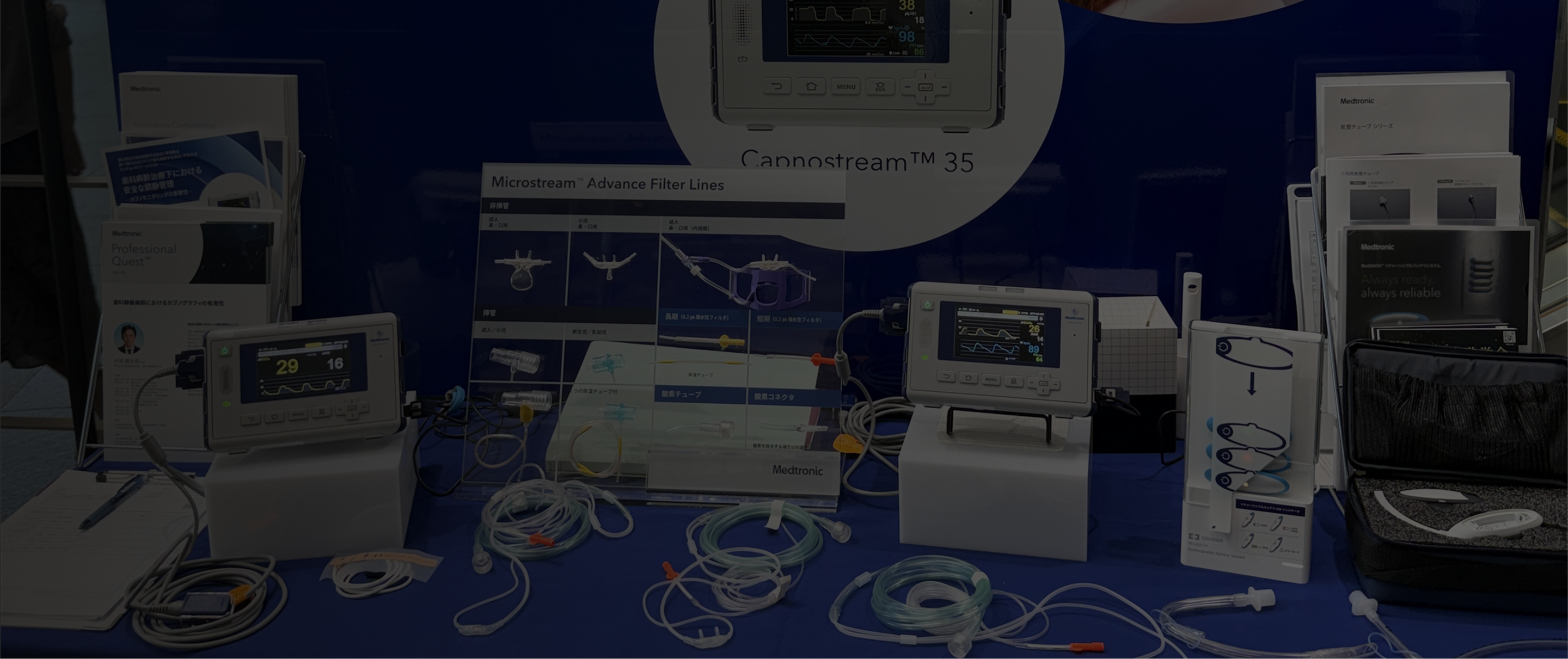
We carefully monitor vital signs such as oxygen saturation and blood pressure, as well as the patient's responses, paying close attention to any changes in condition during treatment.

Oxygen Supply Equipment and Emergency Medications Ready

Oxygen Supply Equipment and Emergency Medications Ready

We are equipped with necessary equipment and medications, and we check their readiness before treatment to prepare for emergencies.

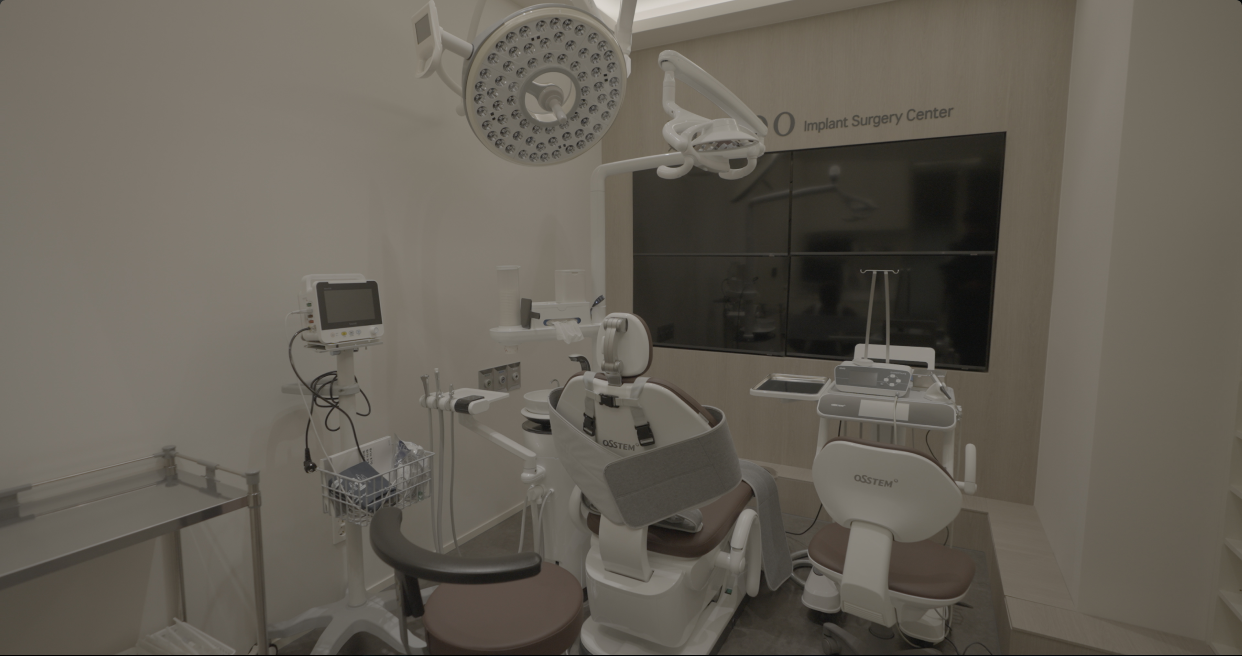
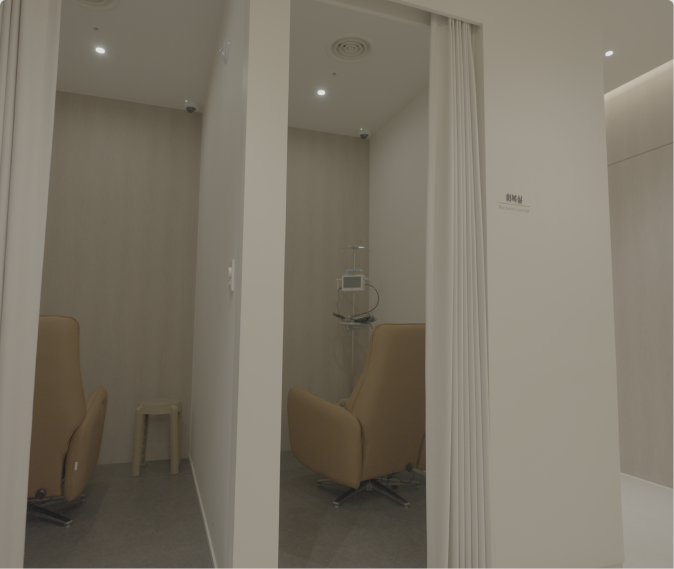
Independent operating room and recovery space

Management from Surgery to Recovery

Treatment is performed in a private single operating room.
After the procedure, you will be monitored in a separate recovery room to assess your consciousness and overall condition before determining if you can be discharged.

Preparation for treatment includes
readiness for unexpected moments.

Medication tailored to the patient's condition

REMIMAZOLAM

REMIMAZOLAM

A medication that reduces anxiety and tension, and carefully controls the level of sedation.

Remimazolam is the primary medication used for conscious sedation at Seoul Yido Dental Clinic.
It has the characteristic of rapid onset and quick breakdown in the body, which is utilized to adjust the level of sedation according to the patient's response.

The medical team carefully determines the applicability and dosage based on the patient's age, general condition, medications, and surgical scope.
During administration, respiration, oxygen saturation, blood pressure, and patient responses are continuously monitored. After treatment, sufficient recovery is confirmed before guiding the patient for discharge.

※ Sedation response and recovery time may vary depending on the patient's condition and dosage.

MIDAZOLAM

MIDAZOLAM

A sedative medication that reduces anxiety and tension.

Midazolam is a medication used to reduce anxiety and tension during treatment and maintain a state of sedation.

After checking the patient's age, general health, medications, and scope of surgery, the medical staff determines its application and dosage range.
During administration, respiration, oxygen saturation, blood pressure, and patient responses are continuously monitored.

KETAMINE

KETAMINE

A medication that considers both sedation and pain management.

Ketamine is a medication that can be selectively used when both sedation and pain management need to be considered.

The medical staff determines its application based on the patient's general health, treatment scope, combination with other medications, and response during treatment. It is not used uniformly for all patients, but administered within the necessary scope.

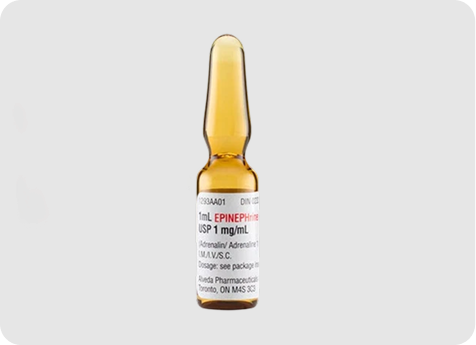
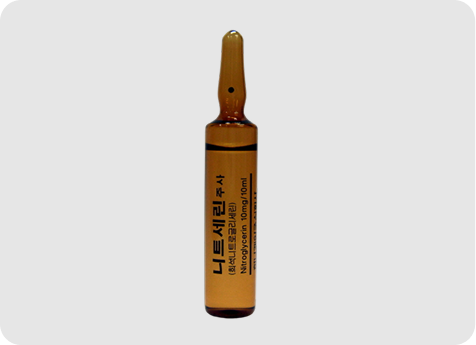
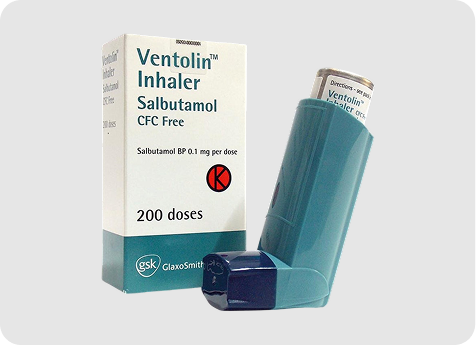
Emergency Medications

Antihistamine for emergency situations

For acute allergies
Antihistamines

Atropine for bradycardia

For bradycardia
Atropine

Epinephrine for anaphylaxis

For anaphylaxis
Epinephrine

Nitroglycerin for angina symptoms

For angina symptoms
Nitroglycerin

Ventolin Evohaler for respiratory distress

For respiratory distress
Ventolin Evohaler

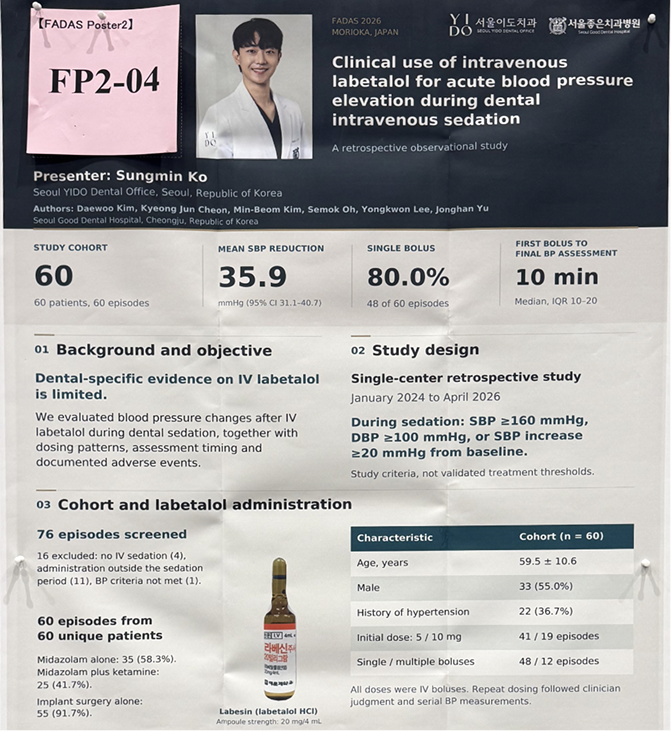
Dr. Koh Sung-min's Visit to a Japanese Academic Conference

For More Meticulous Care
Learning Beyond the Clinic

Dr. Koh Sung-min's Visit to a Japanese Academic Conference

Participated in a clinical study on blood pressure elevation and drug use during dental intravenous sedation.
Observing changes encountered in clinical practice and sharing those experiences academically.

The 54th Annual Meeting and Academic Conference of the Japanese Dental Anesthesia Society
The 17th FADAS Joint Event · Event Schedule 2026.10.09-10.11

Sedation is not recommended for everyone.

Not all implant surgeries require conscious sedation.
Seoul Yido Dental Clinic considers the scope and estimated time of surgery, anxiety about treatment, systemic diseases, and medications.
We carefully decide whether to proceed with local anesthesia alone or combine it with conscious sedation, thoroughly explain the reasons, and then determine the treatment direction with the patient.

Category Implant with Local Anesthesia Focus Implant with Conscious Sedation
Procedure Surgery performed after local anesthesia Local anesthesia and sedation applied together
State of Consciousness Awake Sedation level adjusted
Consideration for Application When anxiety about surgery is not significant If you experience severe anxiety or anticipate a long surgery
After Surgery Discharge after checking condition Discharge after fully confirming recovery

Conscious sedation is not a better option for all patients,
but a choice that should be appropriately applied to patients who need it.

From diagnosis to recovery, we proceed as one continuous process.

From pre-consultation and systemic condition assessment to sedation and surgical planning,
we continue as one process, including monitoring during treatment and confirming recovery.

Consultation and Pre-screening

01 Consultation and Pre-screening

We assess your fear of dental treatment, past treatment experiences, and current health status.

Systemic Condition Assessment

02 Systemic Condition Assessment

We check for systemic diseases, medications, allergies, and past anesthesia experiences to determine the feasibility of conscious sedation.

Sedation and Surgical Plan Establishment

03 Sedation and Surgical Plan Establishment

Considering the scope and estimated time of implant surgery, we establish a sedation treatment and surgical plan together.

Treatment with Monitoring

04 Treatment with Monitoring

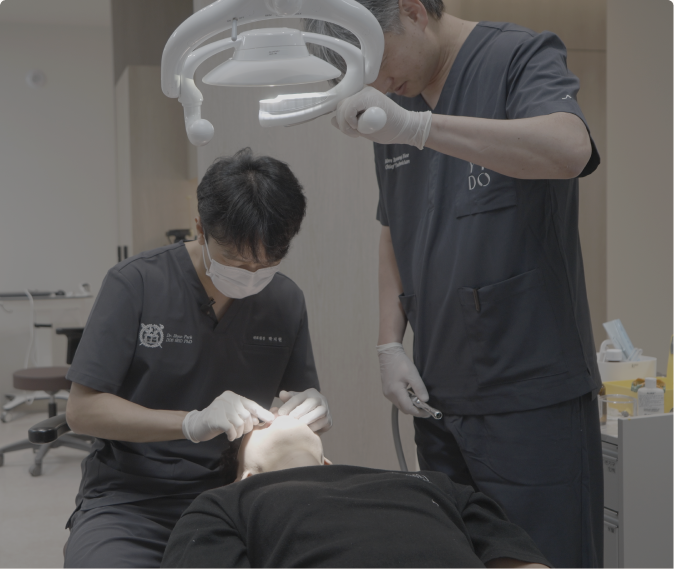
We perform conscious sedation and implant surgery while monitoring the patient's responses and vital signs.

Condition Check in Recovery Room

05 Condition Check in Recovery Room

After the surgery, we check the patient's consciousness and overall condition in the recovery room.

Discharge and Follow-up Care

06 Discharge and Follow-up Care
We provide instructions on post-operative precautions such as medication, diet, and cold compresses, and monitor the subsequent progress.

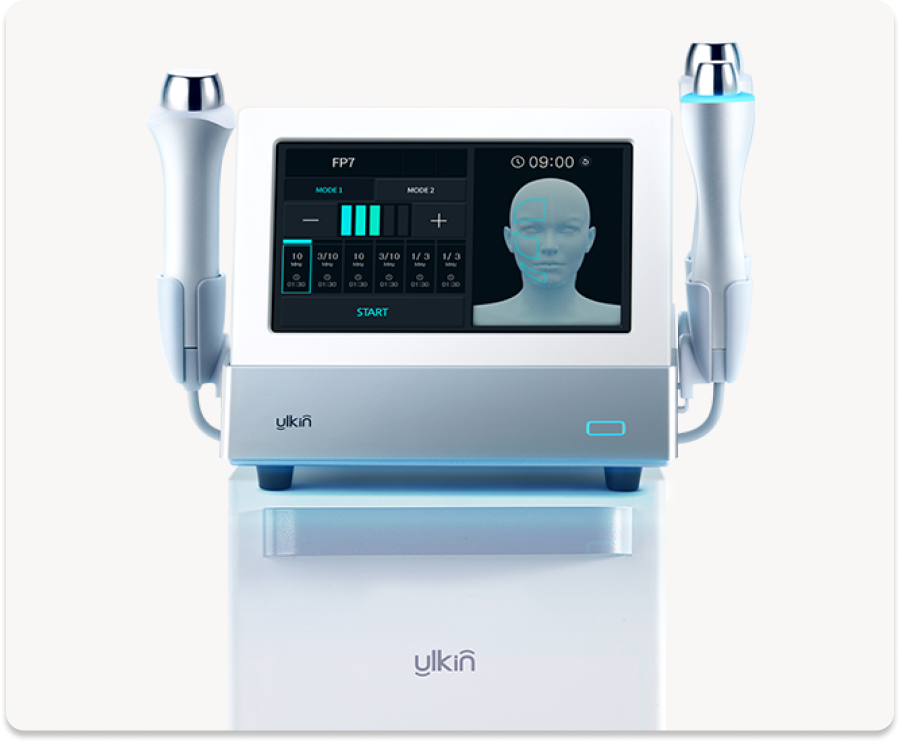
Ulkin Procedure

Even monitoring recovery,
is part of the sedation process.

After surgery, in the recovery room, we monitor consciousness, response, breathing, and vital signs to confirm if the patient is ready for discharge.
We also check for pain, swelling, and bleeding, and provide instructions on post-operative care such as medication, cold compresses, and diet.

If necessary, we also provide customized intravenous fluid management, considering the patient's overall condition and post-operative state.
The necessity and appropriate composition of intravenous fluid treatment are determined by the medical staff, and the attending dentist is responsible for monitoring everything from rest in the recovery room to post-discharge progress.

Conscious Sedation Implant Q&A

  • A.

    This may be necessary depending on the medications you are taking and your health condition. Please follow the fasting instructions, including refraining from water, and inform the medical staff if you have not been able to follow them.

  • A.

    Do not stop taking your medication arbitrarily. Please inform us of the medication name, dosage, and time of administration, and we will advise whether to continue taking it or adjust it.

  • A.

    Your judgment and balance may not be fully recovered after treatment, so an escort is required. If an escort is difficult, please consult us before making an appointment.

  • A.

    On the day of treatment, you should avoid driving, operating machinery, making important decisions, or performing tasks that require concentration. Please return home with your guardian and get sufficient rest.

  • A.

    The depth of sedation is adjusted to a level where you can breathe on your own and communicate simply. Local anesthesia is administered concurrently for pain control.

  • A.

    During treatment, oxygen saturation, blood pressure, and the patient's response are monitored. After treatment, the patient's condition is observed in the recovery area before discharge instructions are provided.

Sungmin Ko

Sungmin Ko

Chief Director
Jihyun Park

Jihyun Park

Chief Director
Soyoon Won

Soyoon Won

Executive Director
Yiyeon Han

Yiyeon Han

Orthodontist