01 Joint Diagnosis
Confirming oral status as the basis for planning
We examine the bone and nerve positions, and tooth alignment to identify the optimal space for implant placement.


We review both the pre-surgical plan and the actual treatment results.
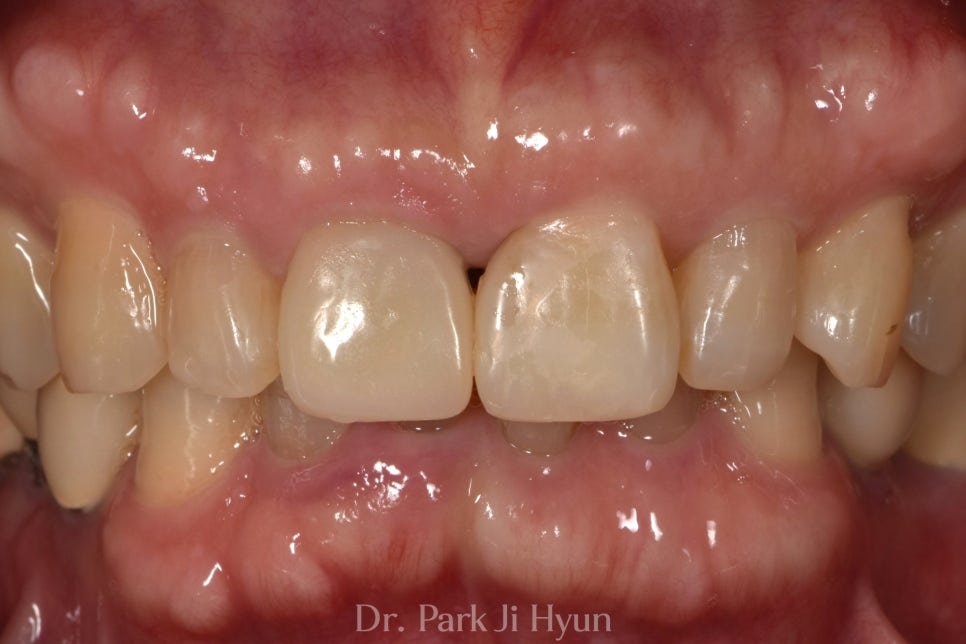

Why Immediate Extraction and Provisional Restoration for Anterior Implants at Singokdeokdong Dental Clinic Determine Treatment Outcomes Implants
* All images are cases treated by our medical staff.
Treatment results and side effects may vary by individual,
so please consult with our medical staff before deciding on treatment.
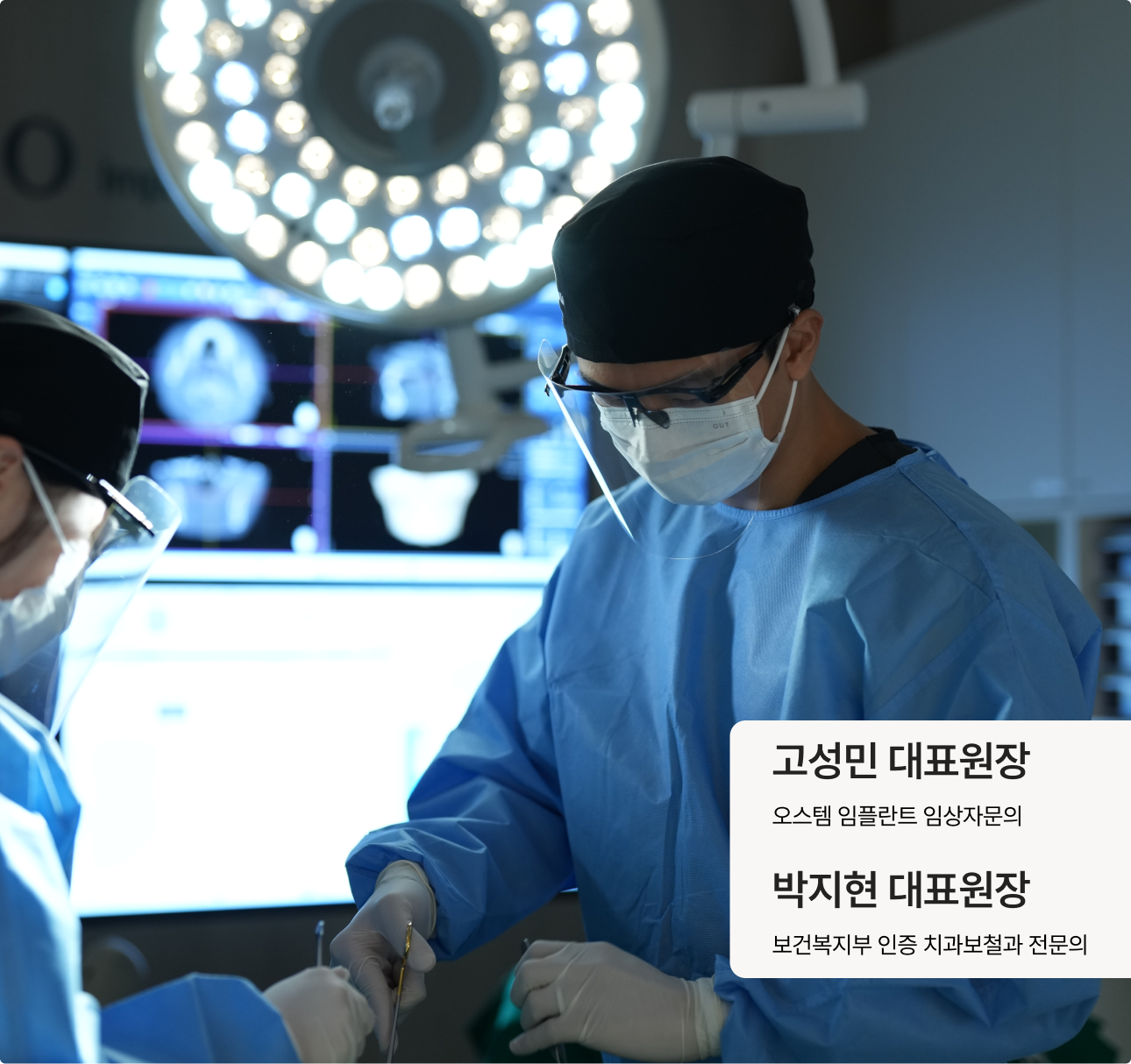

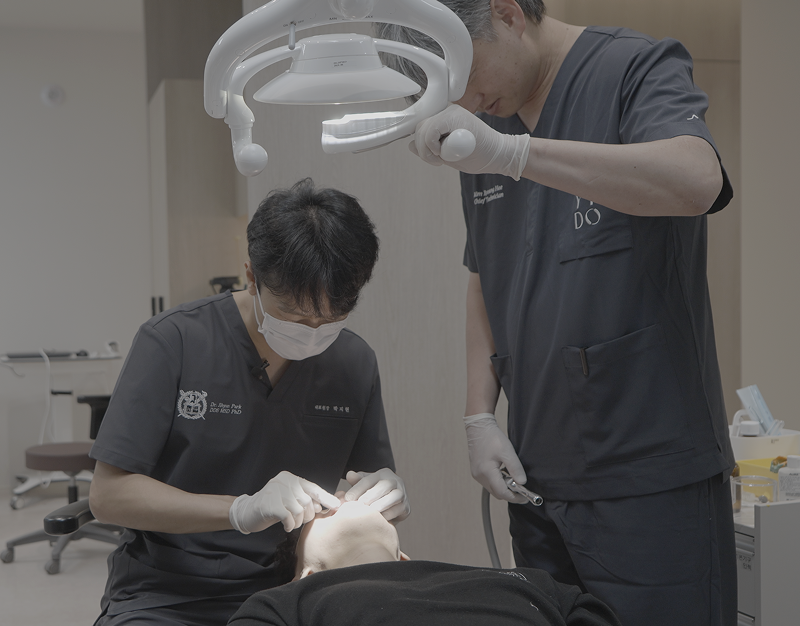
Dr. Jihyun Park and Dr. Sungmin Ko, the chief directors, collaboratively assess the condition of the alveolar bone, the scope of surgery, and the shape and occlusion of the final teeth.
The plan shared by the two medical professionals is connected to our in-house dental lab,
ensuring consistent treatment from implant placement to the final prosthesis.
We plan the position and direction for implant placement, considering the shape and position of the final prosthesis and its harmony with surrounding teeth.
Based on the digital plan, surgery is performed while confirming the actual condition of the jawbone and soft tissues.
If necessary, the plan is adjusted to reflect on-site judgments.
The medical team and in-house dental lab share diagnostic data and prosthetic plans,
meticulously adjusting the shape and occlusion of the teeth to complete the final prosthesis.
Judgments by specialty are shared, and the flow of treatment is responsibly managed by the attending dentist.
They collaboratively review the shape and occlusion of the final tooth, as well as the bone and nerve positions, to align the surgical and prosthetic plans.
01 Joint Diagnosis
We examine the bone and nerve positions, and tooth alignment to identify the optimal space for implant placement.
02 Prosthetic Planning
We plan the prosthesis considering a shape that harmonizes with surrounding teeth and proper occlusion for chewing.
03 Surgical Review
We review surgical conditions by examining the bone and surrounding structures to ensure connection with the planned prosthesis.
04 Joint Decision by Two Directors
We determine the implant placement and direction, aligning them with the final tooth and surgical conditions.
Seoul Yido Dental Clinic verifies the digitally planned implant position and direction against the actual bone and surrounding tissue conditions.
During surgery, the patient's condition is monitored, and the surgical method is adjusted as needed to suit the patient.
※ The surgical method and guide applicability may vary depending on the patient's oral condition and surgical scope.

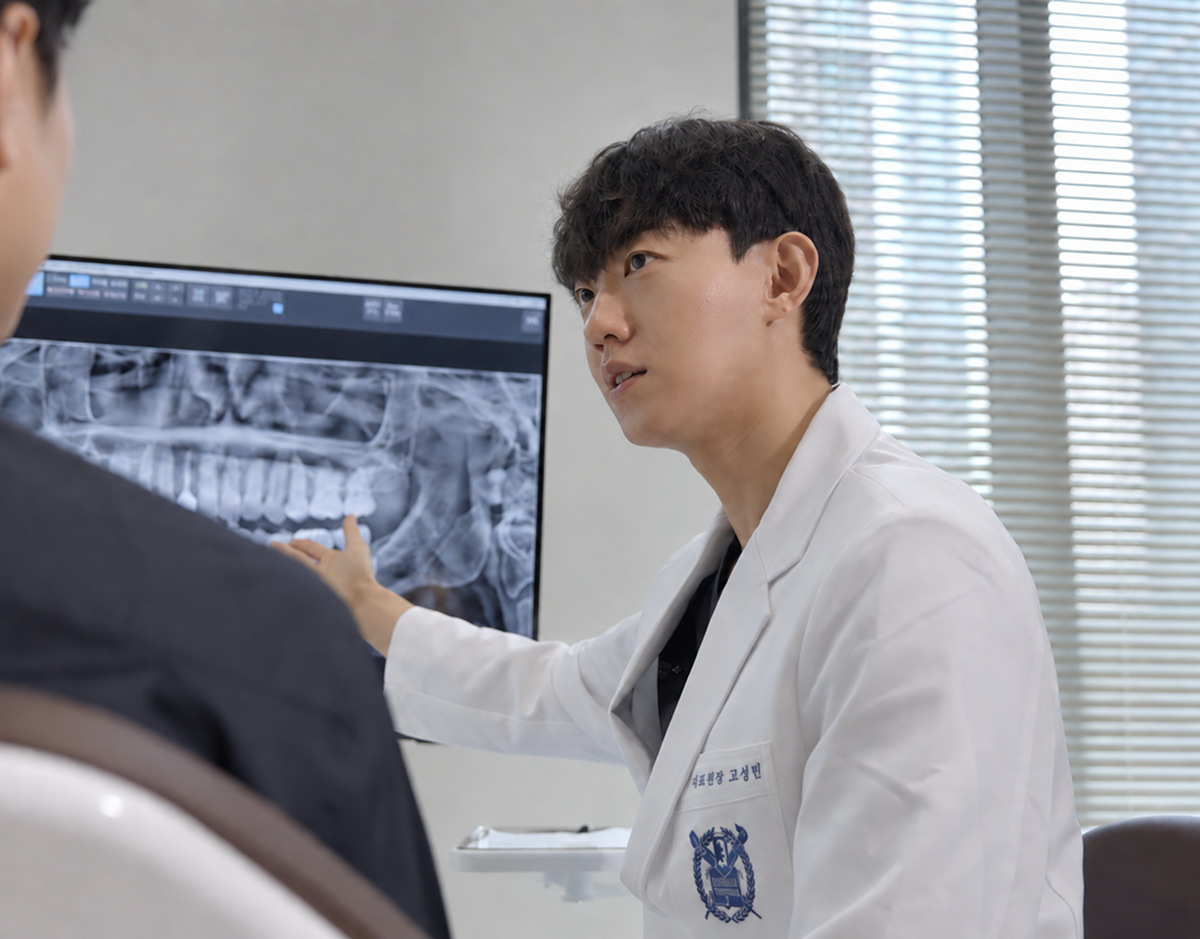
Using CT and oral scans, we examine the bone and nerve positions, remaining teeth, and gum condition, assess the need for bone grafting,
and determine the appropriate surgical method by reviewing the surgical scope and stability of guide placement.
During surgery, the actual condition is confirmed, and the plan is adjusted if necessary.
The medical team and in-house dental lab share diagnostic data and prosthetic plans, considering a shape that harmonizes with surrounding teeth,
proper occlusion for chewing, and an easy-to-clean structure.
The prosthesis is fabricated according to the post-surgical recovery status,
and after placement, we continuously monitor the bite and hygiene management.
From precise diagnosis and guide application assessment, to implant surgery and recovery management, and finally, the definitive prosthesis.
The progress of each stage is reflected in the next treatment, and the attending dentist responsibly oversees the entire process.
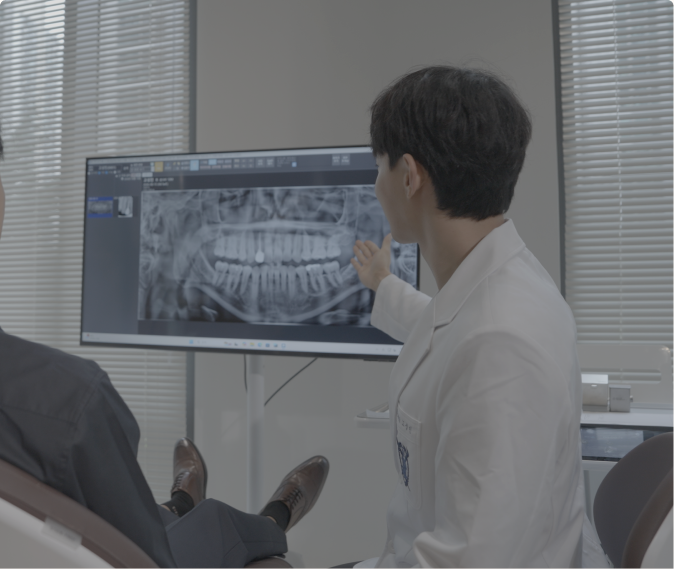
We examine the missing teeth, surrounding teeth, gums, and occlusal status to determine the areas requiring implants and the overall treatment scope.
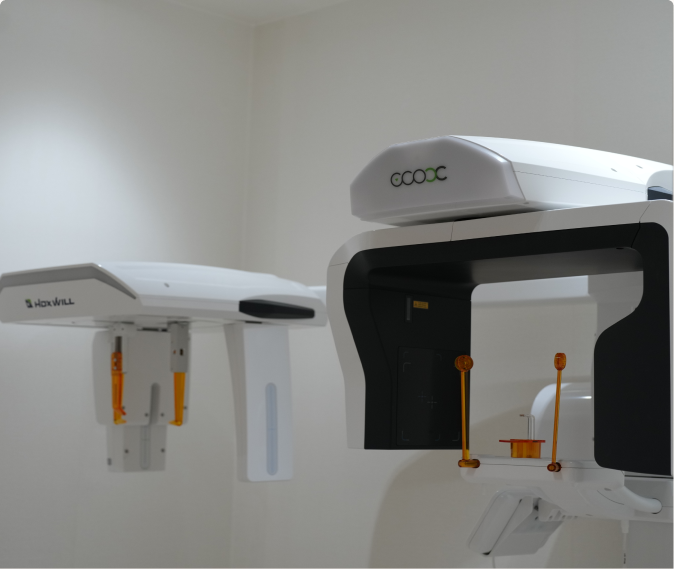
We confirm the position of the alveolar bone, nerve canals, and maxillary sinus with CT, and record the shape of the teeth and gums with an oral scan.
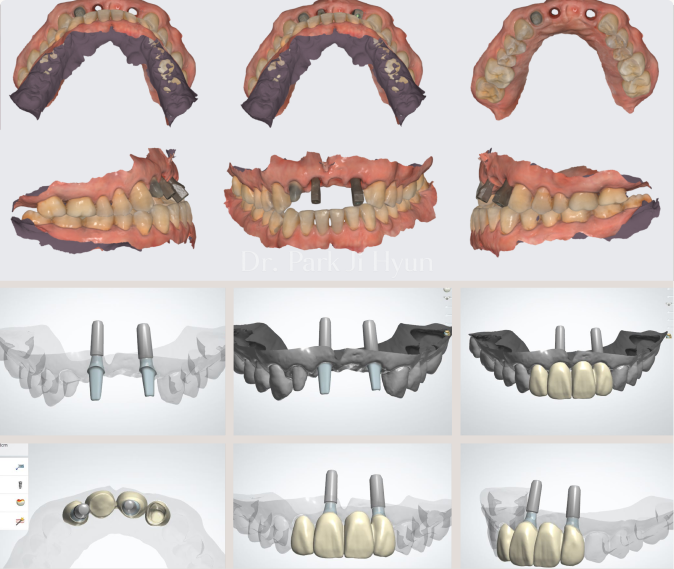
Based on the position and direction of the finished prosthesis, we plan the placement, angle, and depth of the implant.

Guides are only fabricated if they are beneficial for the actual surgery, and their intraoral fit and suitability are checked before surgery.
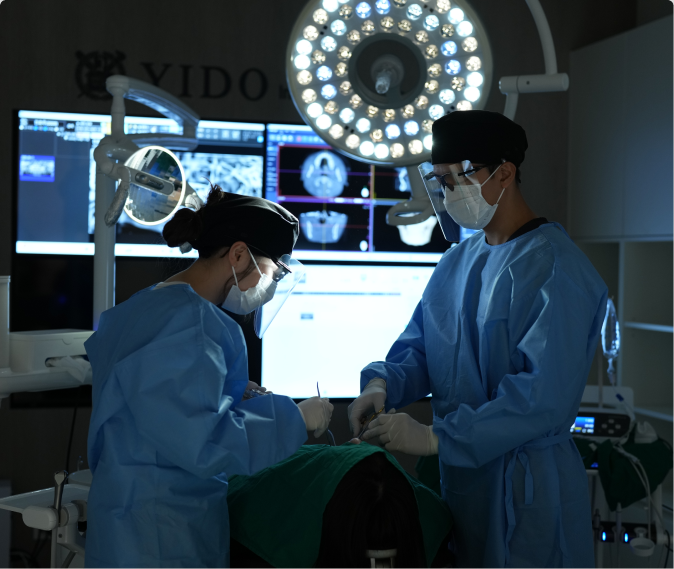
Implants are placed while simultaneously checking the digital plan and the actual alveolar bone and soft tissue conditions, with adjustments made to the plan at the discretion of the medical team if necessary.
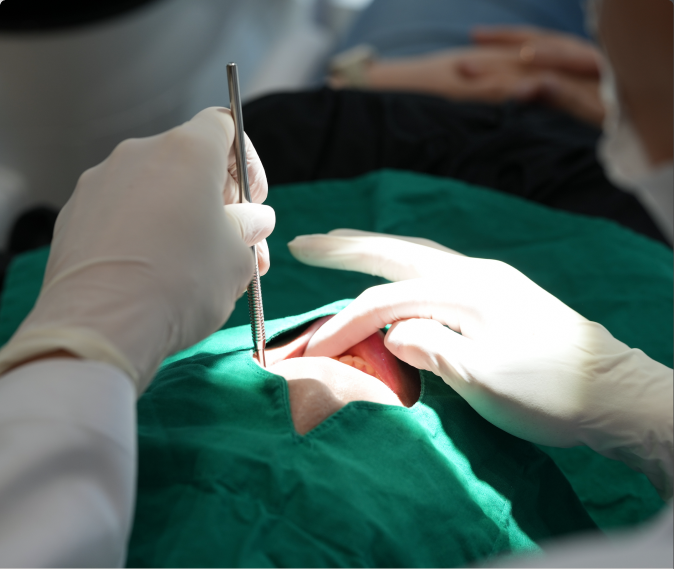
After confirming post-operative pain, swelling, and recovery status, prosthetics are fabricated. After placement, the occlusion and maintenance status are continuously monitored.
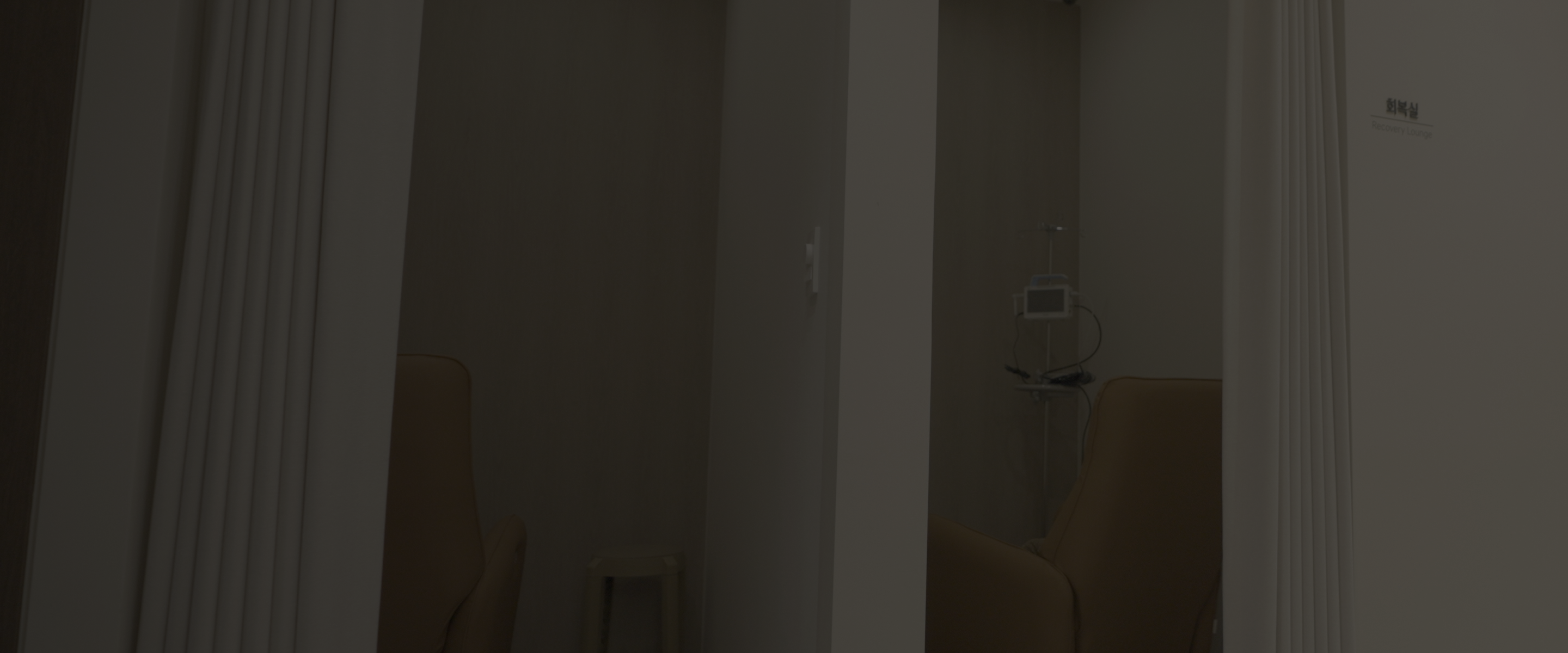
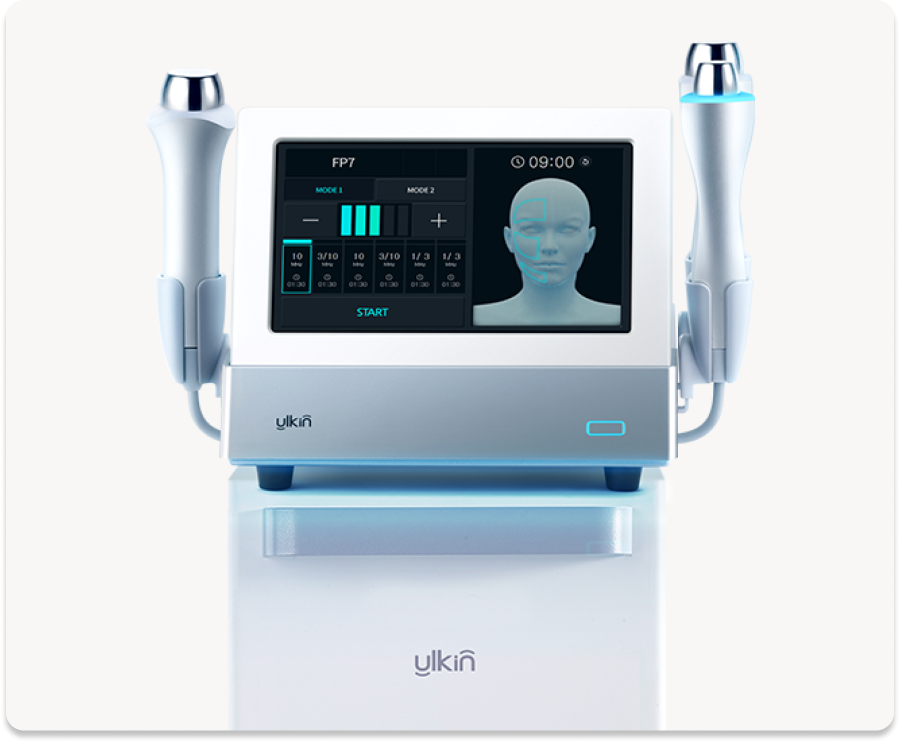
We meticulously address everything from the burden of the anesthesia process to post-operative discomfort.
After surgery, we check for bleeding, pain, swelling, and the condition of the surgical site, and provide guidance on medication, cold compresses, diet, and oral hygiene methods.
Depending on the patient's recovery status, edema management using Ulkin LDM is performed.
The medical team determines the applicability and timing based on the surgical scope, degree of swelling, and condition of the surgical site.
If necessary, intravenous fluid management tailored to the patient's condition is also provided, and the attending dentist responsibly oversees the entire process from recovery progress to prosthetic treatment and maintenance.
This method involves pre-planning the implant's position, angle, and depth using CT and oral scans, then reflecting that plan in the surgery with a surgical guide.
No. It is used selectively after examining the condition of the gum bone and surrounding teeth, the necessity of bone grafting, and the feasibility of guide placement.
No. Incisions may be necessary depending on the condition of the gums and bone, and whether bone grafting is performed.
The guide helps reduce errors but cannot eliminate them entirely. Surgery proceeds while checking the fit of the guide and the actual oral condition.
Yes. We consider the shape and occlusion of the final teeth, as well as ease of maintenance. We share the plan with our in-house dental lab to facilitate prosthetic fabrication.
Search anything
Ex: Implants, swollen gums, teeth whitening