Treatment Details
Hello, I am Jihyun Park, the chief prosthodontist. If you've been told that implants are not possible due to insufficient bone, or that it would be difficult because there's too little bone for a Mapo implant, have you ever felt disheartened by such news?
It must have been very frustrating to hear such news after making a difficult decision to visit the dental clinic.
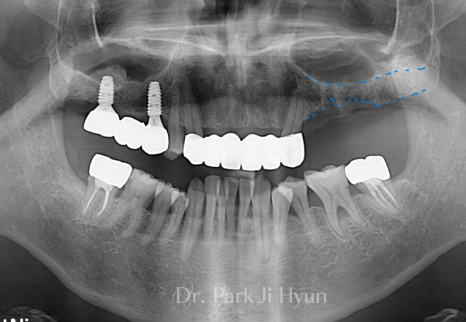
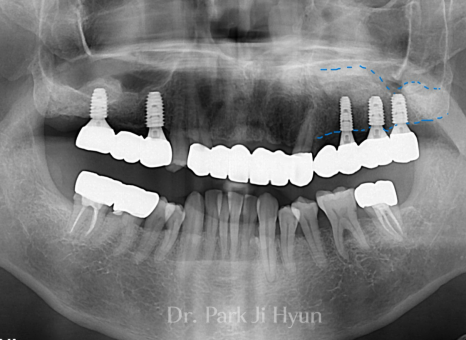
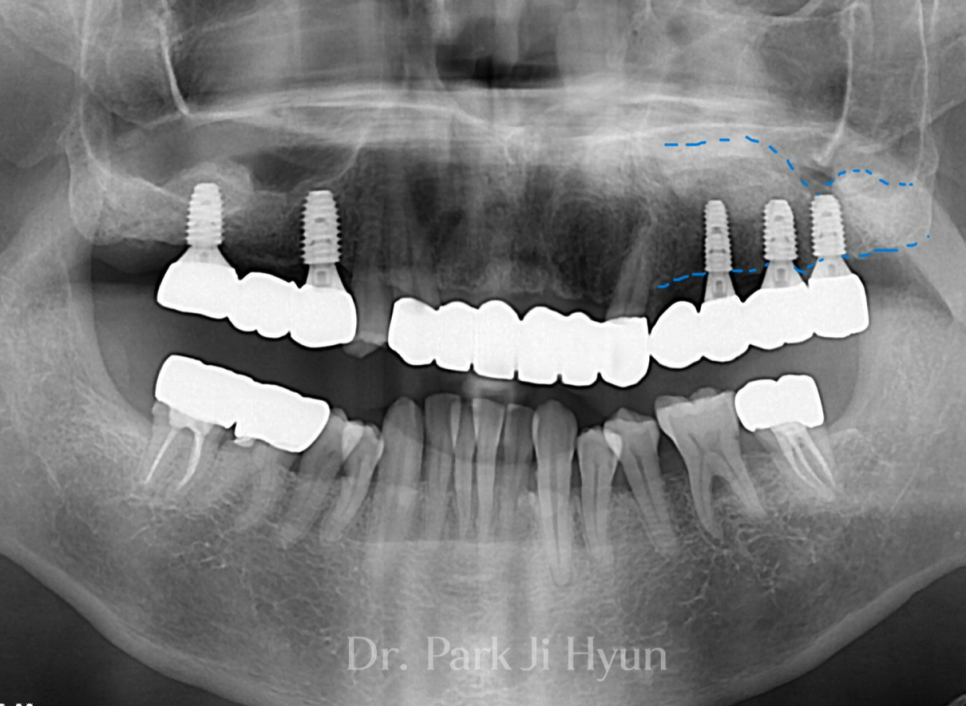
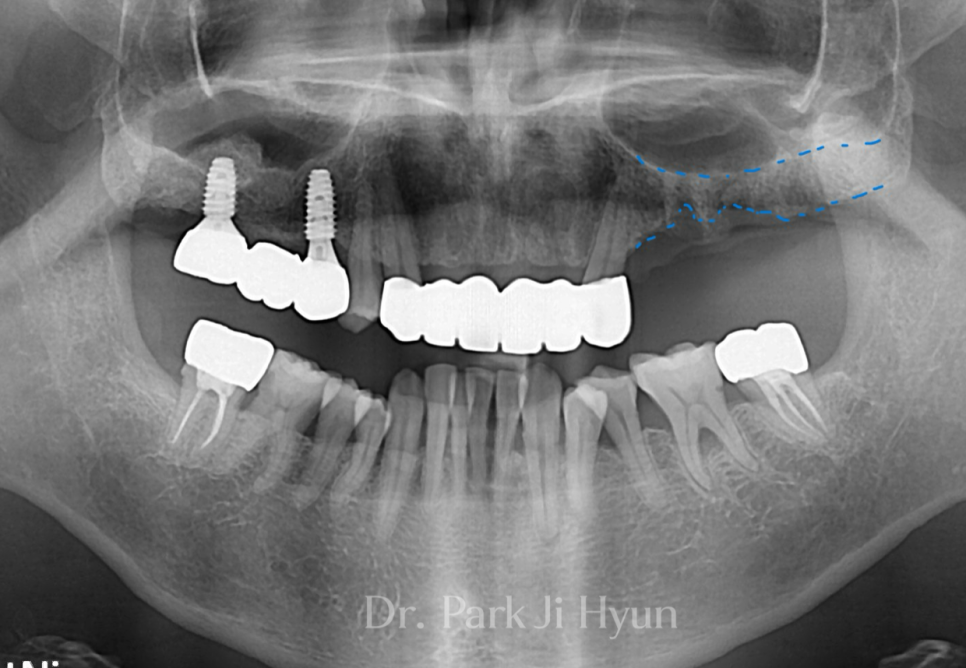
Before and After Panoramic X-ray of Bone Graft, Blue Dotted Line Indicates Bone Boundary. Today, I've brought an implant case that might be helpful for those in such situations.
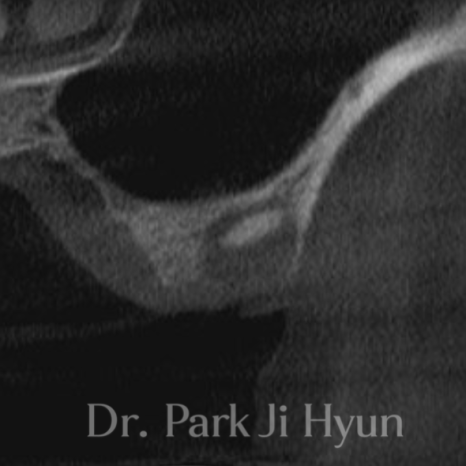
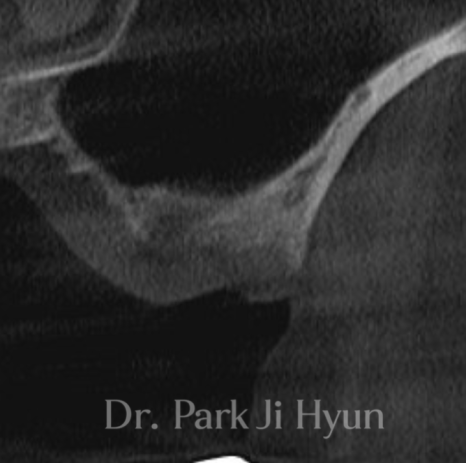
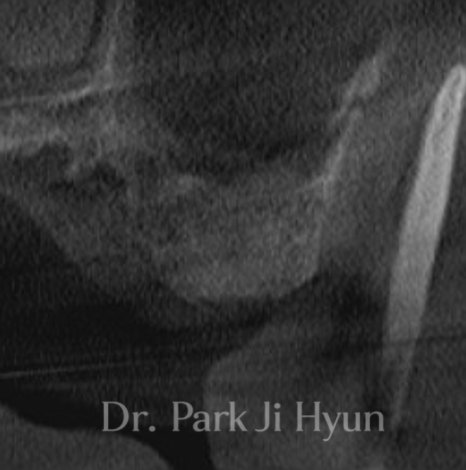
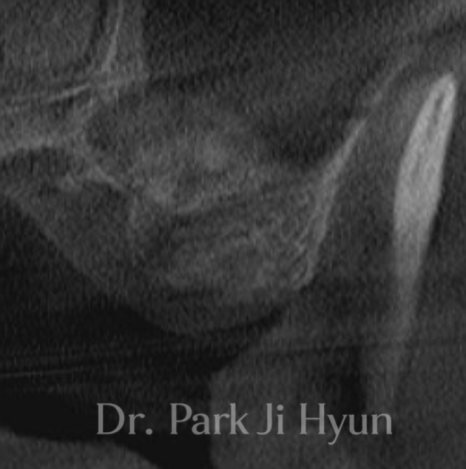
Before and After CT Cross-section. The patient in the above photos also had very thin bone remaining in the upper jaw molar area. After sufficient bone regeneration, they are now comfortably eating with implants.
Therefore, even if you've been told it's difficult at one place, I hope you don't give up too early. Why bone is needed for implants. Let's start with the basics for today's topic on Mapo implants.
An implant is a screw placed in the bone. It's designed to withstand force after firmly integrating with the bone. To put it simply, if there's no bone to hold the screw, the implant has nowhere to anchor.
Therefore, if there is insufficient bone, a bone graft is first necessary. Conversely, if there is sufficient residual bone with good morphology, implants can be placed directly without a bone graft. Same bone graft, why different results? Mapo Implant. So, in situations with significant bone deficiency,
In some cases, bone forms well, while in others, surgery has to be abandoned. While there are several factors, the most crucial one is 'how to maintain the space for bone formation'.
This is called the principle of space maintenance. If the space collapses, bone will not form. Therefore, dentists who have consistently performed bone grafting each have their own methods for maintaining space.
At Seoul Yido Dental Clinic, we primarily use two methods. The first is using Tenting screws to create pillars.
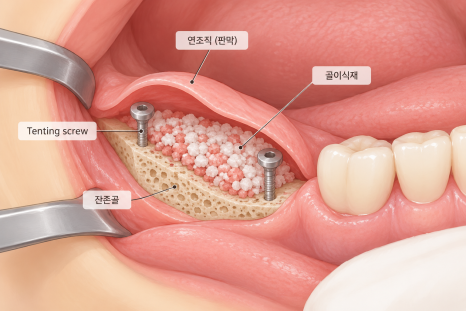
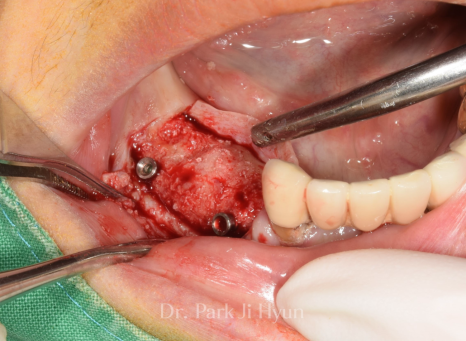
Tenting screw fixed. The first method is using tenting screws. Just as a central pole supports a tent's fabric, small screws support the gum to create space for bone growth.
When shaping cement, it would flow down without rebar, right? Similarly, bone graft material also needs a framework to support its space.
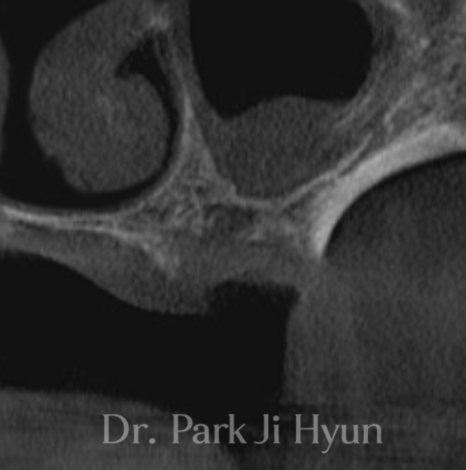
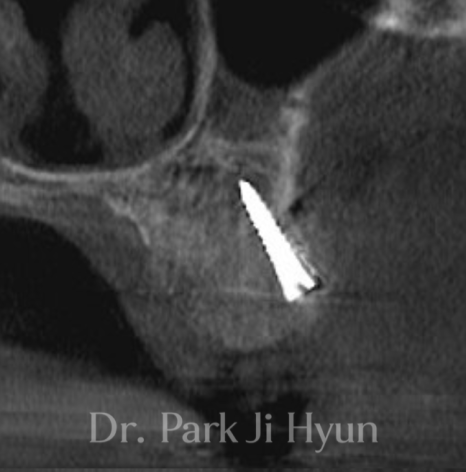
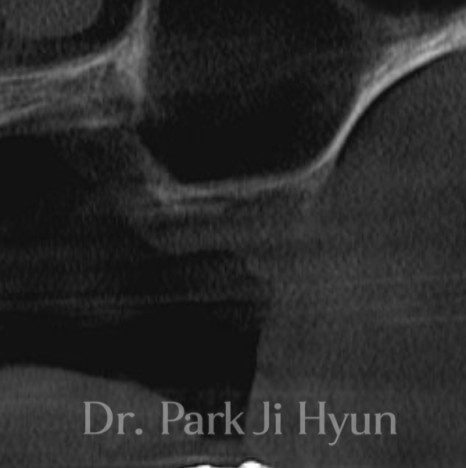
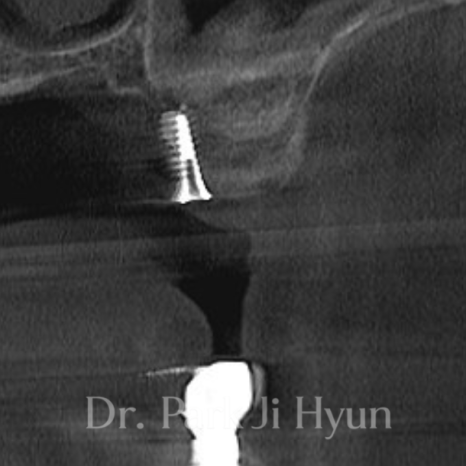
The amount of bone formed varies significantly depending on whether these pillars are present, and where and how many are placed. If there is some residual bone to fix the pillars and healthy healed gums after extraction, good results can be expected.
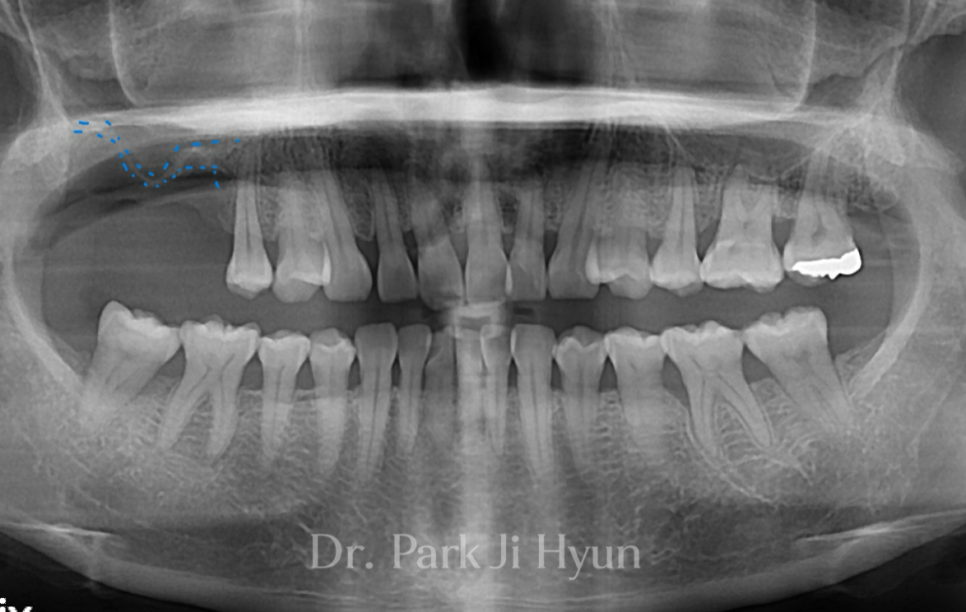
Before grafting, the blue line indicates the bone boundary.
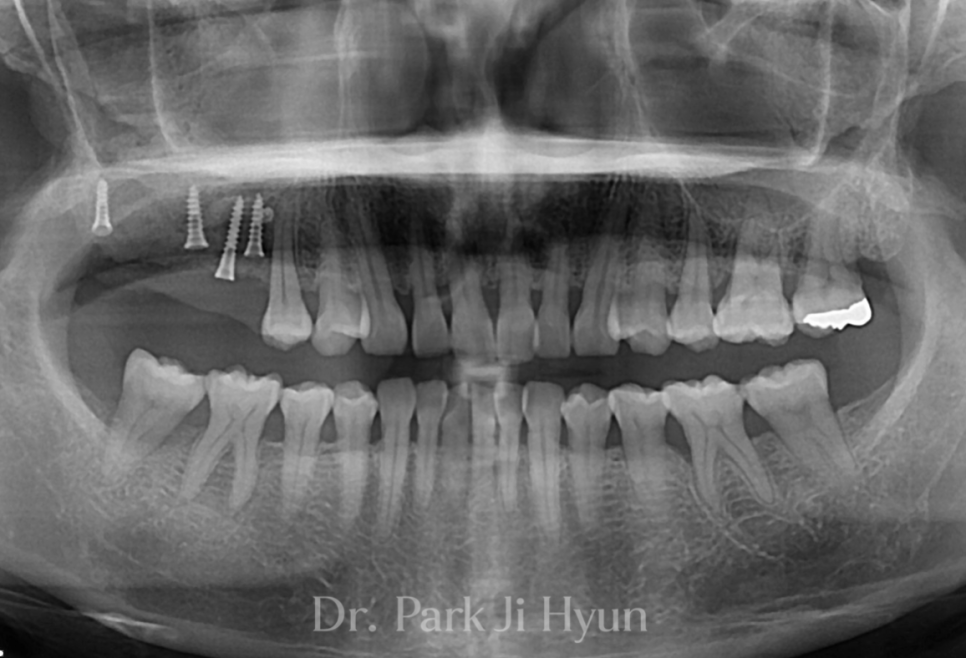
Tenting screw fixation.
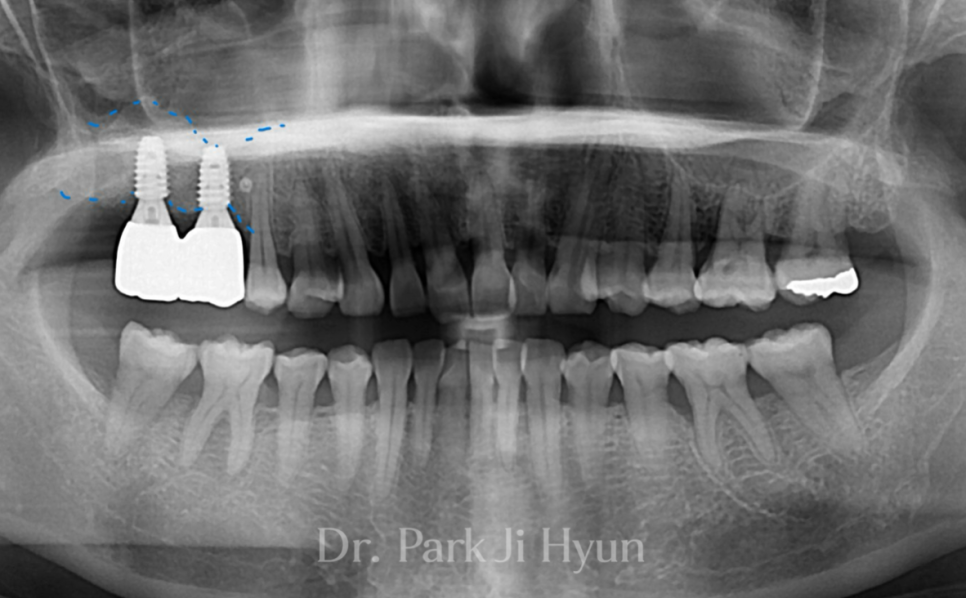
Final prosthetic placement, the blue line indicates the bone boundary.
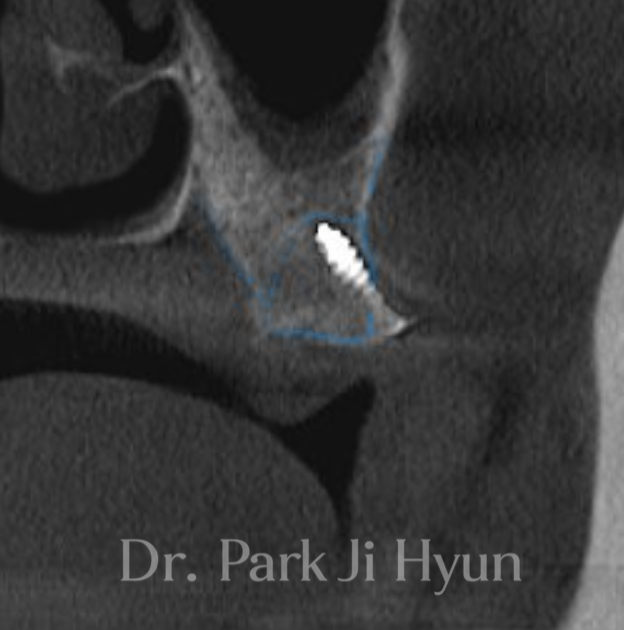
Bone formed around the Tenting screw. As you can see in the photos, the significantly resorbed bone has recovered to a nearly normal height.
Second, the Sausage Technique for firm encapsulation.
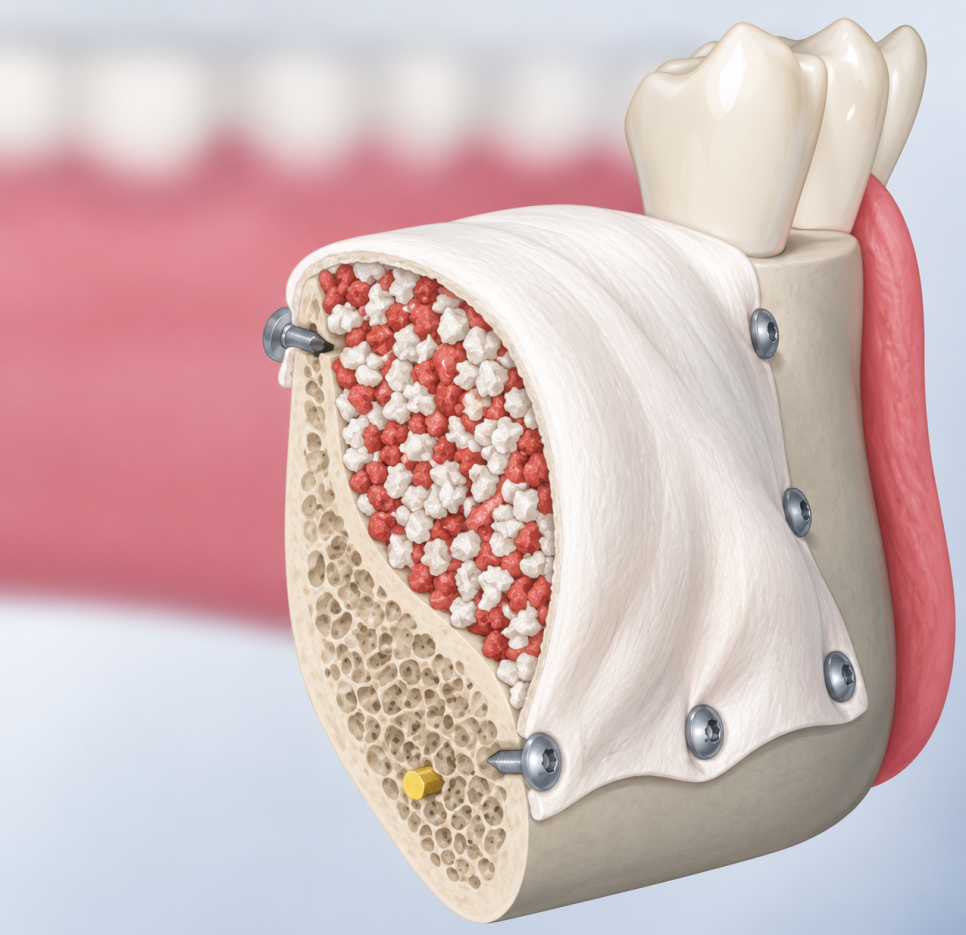
The second method involves using bone tacks, which resemble small thumbtacks. Bone graft material tends to spread sideways when pressure is applied.
Therefore, the graft material is wrapped like a dumpling with a barrier membrane, then tightly secured with bone tacks. This shape resembles a plump sausage, hence it's called the Sausage technique.
If the graft material remains stable in place until it solidifies, bone is effectively formed.
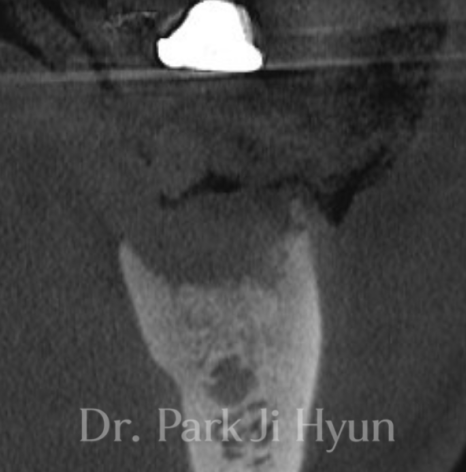
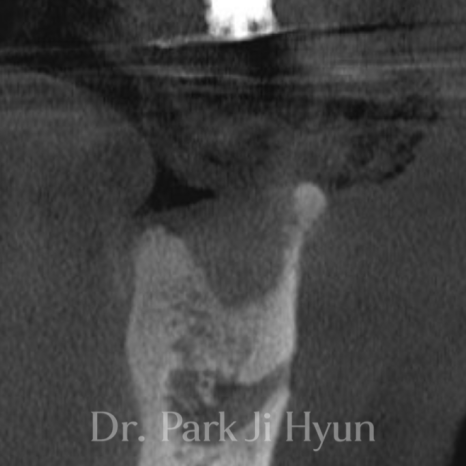
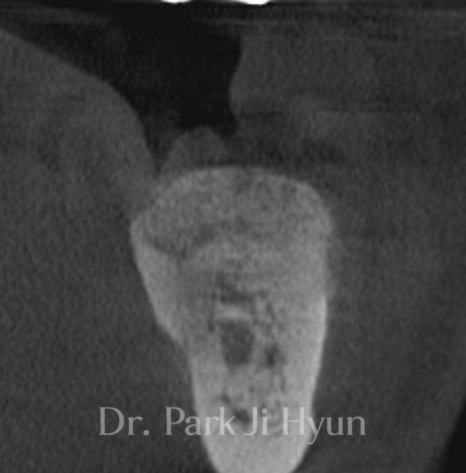
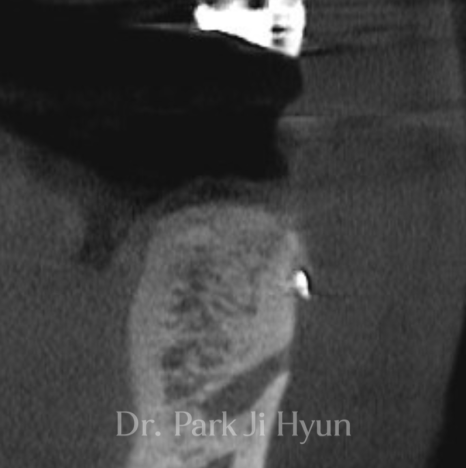
Before and After CT Cross-section.
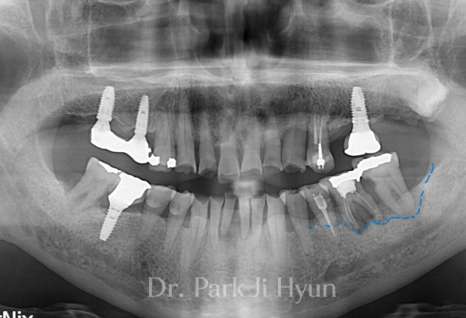

Panoramic X-ray of the lower jaw molar area, blue line indicates the bone boundary. The thin and low lower jaw bone is now thickly filled in both width and height. If necessary, both methods can be used together for Mapo implants.
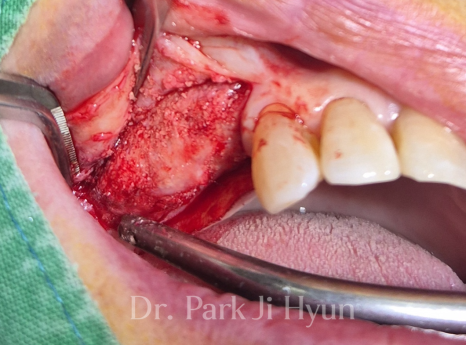
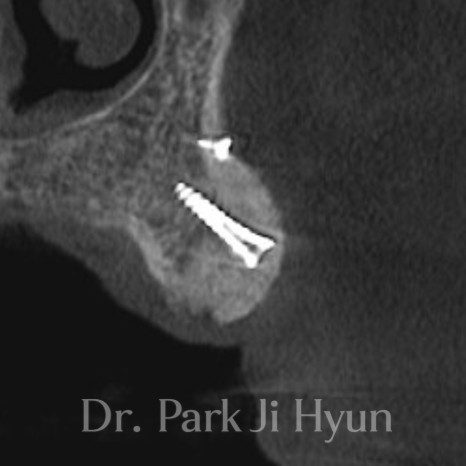
The degree and shape of bone deficiency vary for each patient. Therefore, when necessary, both methods – setting pillars and then firmly encapsulating them – are used together.
You might think, "Why do I need to build bone like this, instead of just placing the implant?" Sufficiently thick bone and gums around the implant are essential for long-term health and use.
As mentioned above, bone grafting is the most fundamental and crucial process for implants, and also preparation for long-term use. Implants: Slow but Precise! Mapo Implant. Honestly, bone grafting is a time-consuming treatment.
It usually takes several months for the bone to solidify, and I believe that waiting period contributes to the results. If you've given up on implants after being told bone grafting is difficult, I recommend visiting a clinic with ample bone grafting experience one more time.
Implants can be placed anywhere, but long-lasting implants differ starting from the bone beneath them. And I would like to take this opportunity to sincerely thank all the patients who have trusted and accompanied us through the long treatment process.
I hope today's content was helpful to many. This has been Jihyun Park, a prosthodontist. Thank you.

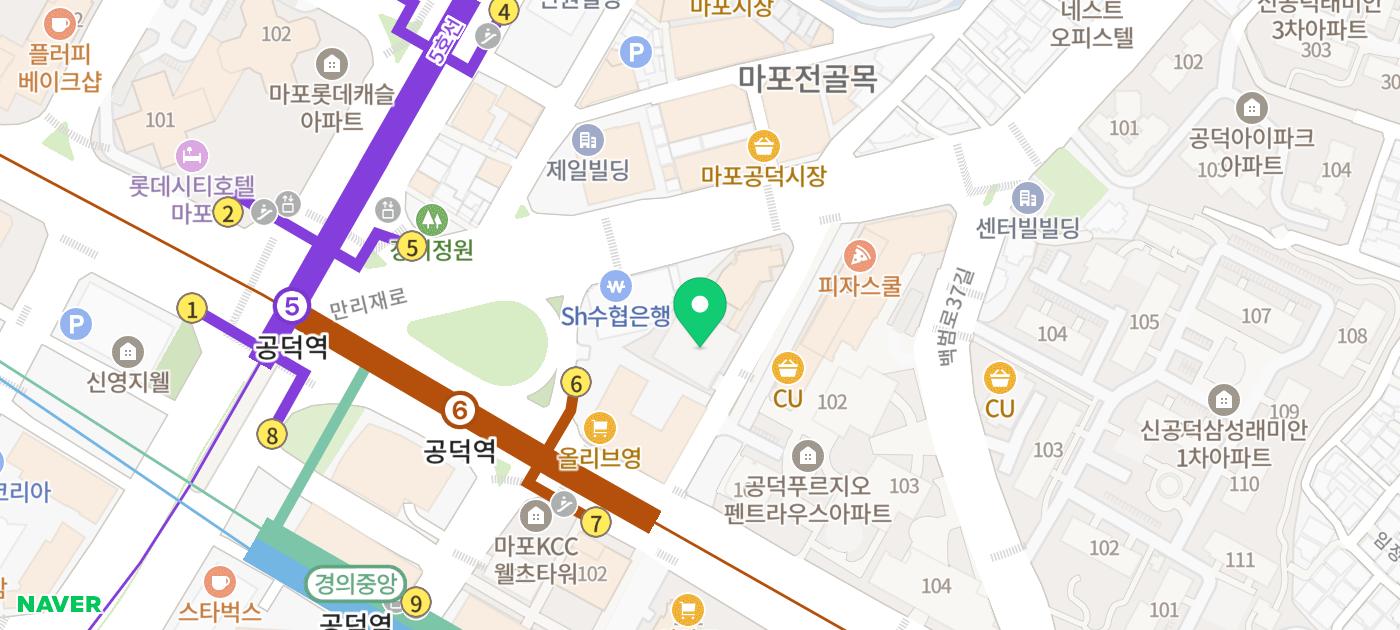
2nd Floor, 24 Mallijae-ro, Mapo-gu, Seoul